 The dishes of Italian cuisine are famous the world over; anyone who thinks of good food inevitably thinks of the cuisine of the boot, which is rightfully part of the glossary of national culture.
Each region has produced and preserved its own specialities over time; the best known dishes are those of tradition, which are certainly tasty, appreciated and have become a symbol of Italianness in the world. From the simple ingredients of the Mediterranean diet, we arrive at culinary creations that have changed history: spaghetti with tomato sauce, pizza, the ever-present coffee at the end of a meal and the delicious gelato.
And by now, around the world, you can find restaurants that bring a little piece of Italy to enjoy wherever you are. Here are the most famous Italian dishes in the world!
1 - Pasta
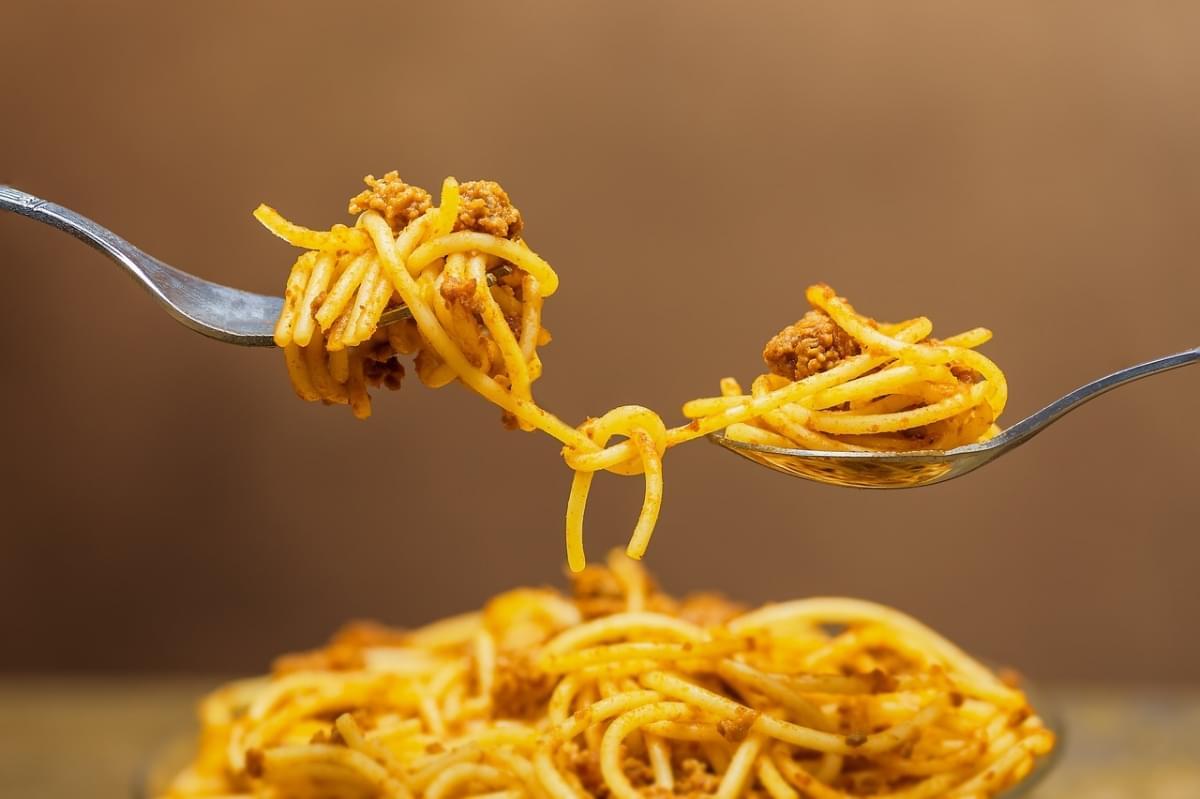 It is thecornerstone of the Mediterranean diet, and the symbol of Italian cuisine around the world. Most probably its origin dates back to Sicily during the Arab domination, and from the island pasta soon became a typical dish throughout Italy. Its main ingredient is starch, which contains very high energy properties, and is obtained by processing durum wheat semolina, which is mixed with pure water. The dough is then processed, giving it a specific shape, so we have an infinite variety of pasta types, from spaghetti to penne, from rigatoni to farfalle. Plain or ribbed, pasta is basically a simple food, ideal to be seasoned to one's liking.
The best known pasta recipes are Carbonara, Spaghetti al pomodoro and Spaghetti al ragù.
2 - Pizza
It is thebest known traditional Italian food in the world. Its origin is uncertain, but it probably originated in the Kingdom of Naples. Its signature variant is the pizza margherita, so called because it was prepared by pizzaiolo Raffaele Esposito for Queen Margherita of Savoy in 1889. The royals, in fact, had heard about the circulation of this much-loved food, and the pizzaiolo Esposito made the pizza margherita starting from the tricolour, so here is a dough made from flour, water and yeast, seasoned with the green of basil, the white of mozzarella and the red of tomatoes, all cooked strictly in a wood-fired oven. In pizzerias around the world you can find pizzas topped in a thousand different ways.
3 - Lasagne
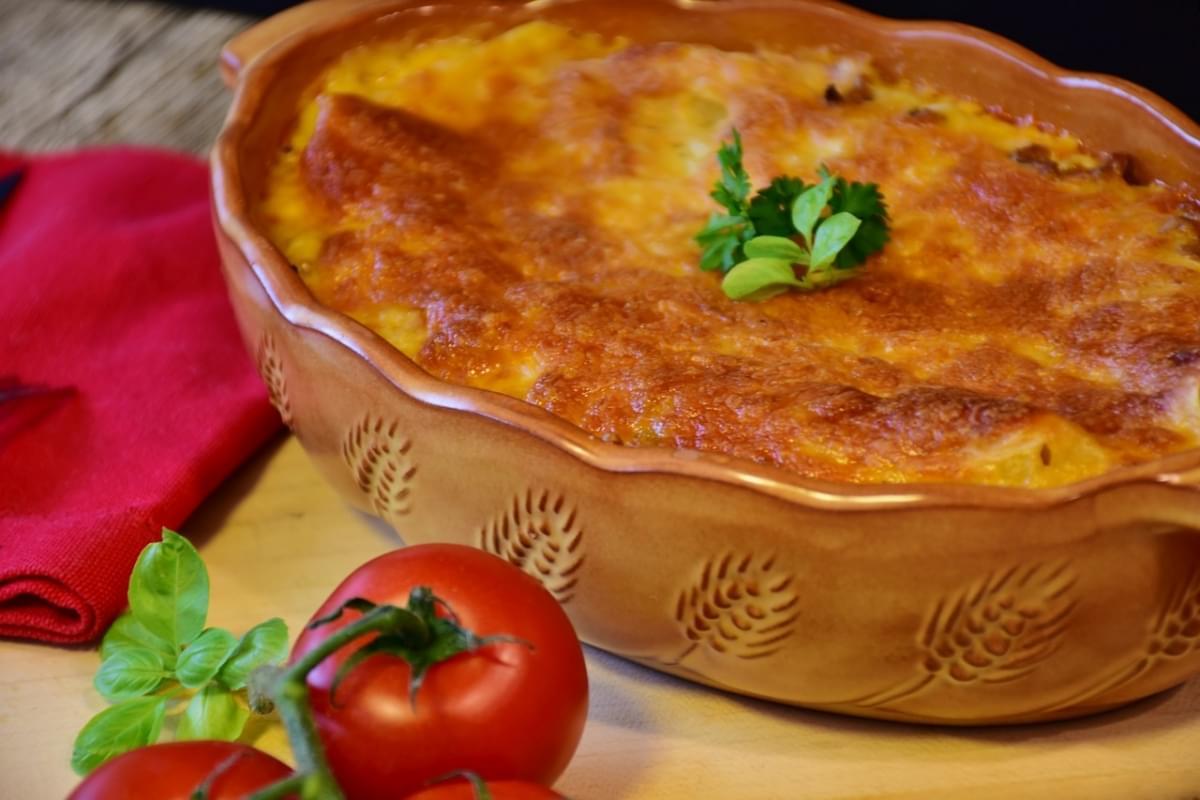 They are a dish of very ancient origin. It seems that already the ancient Romans spoke of a thin layer made of wheat flour, then stuffed with meat. Even during the Middle Ages, and in several regions of Italy, there are written traces referring to what officially became a definitive dish during the 1600s, precisely in Emilia. However, the use of tomato sauce is attributed to the Neapolitans, so even today there is still some sort of dispute over the origin of the recipe between the two regions, but whatever the truth is today, a good lasagne dish is made from thin sheets of egg pasta, meat sauce, grated cheese and béchamel sauce.
4 - Risotto
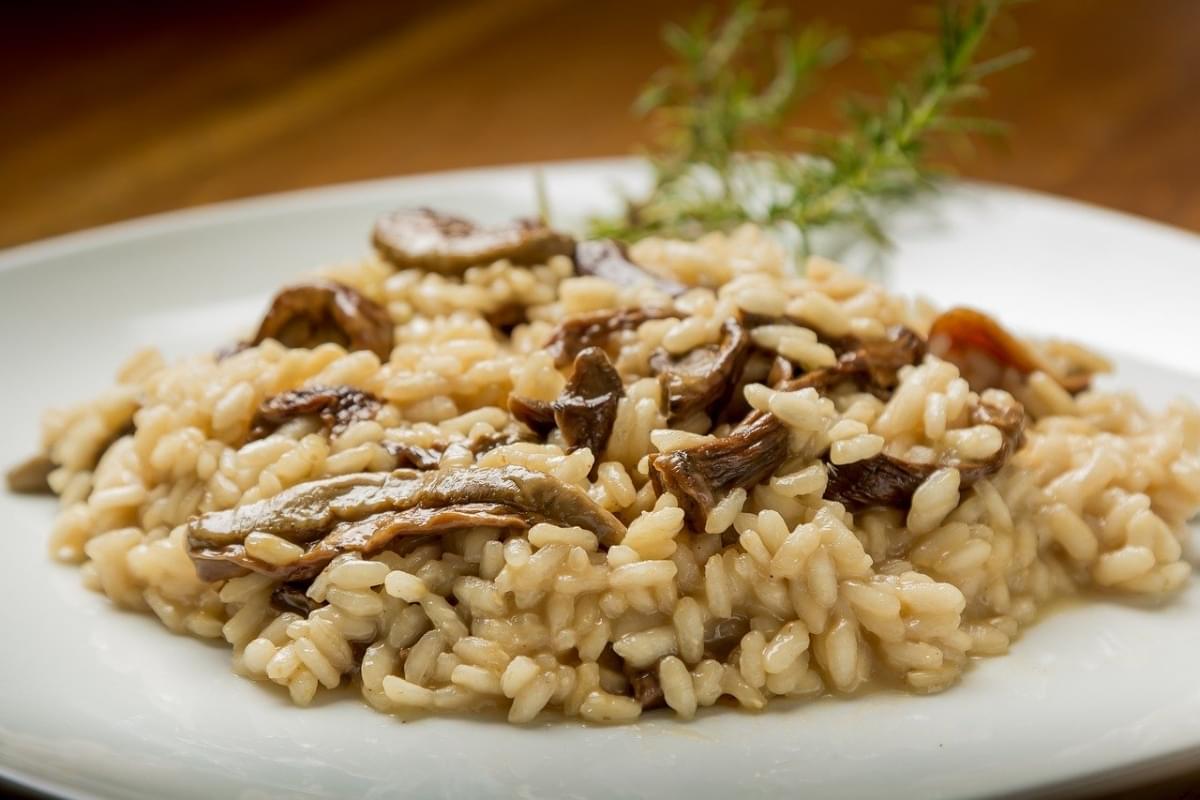 This is a typical dish from the northern regions of Italy, particularly Veneto and Lombardy. Its history is uncertain, but it certainly dates back to the importation of rice from the East, which gave rise to the idea, over time, to start cultivating rice also in Italy, especially around Milan. While rice was originally consumed in a variety of ways, even as a medicine, today the dish is made in such a way that the starch in the cooking process binds the grains of rice, giving it that creamy appearance and consistency typical of risotto. Among the most famous Italian variants are risotto alla milanese, with saffron as the main ingredient, risotto alla ticinese, with red wine, cheese, luganighetta or porcini mushrooms, and risotto ai frutti di mare, with white wine, fish stock, mussels, clams etc.
5 - Polenta
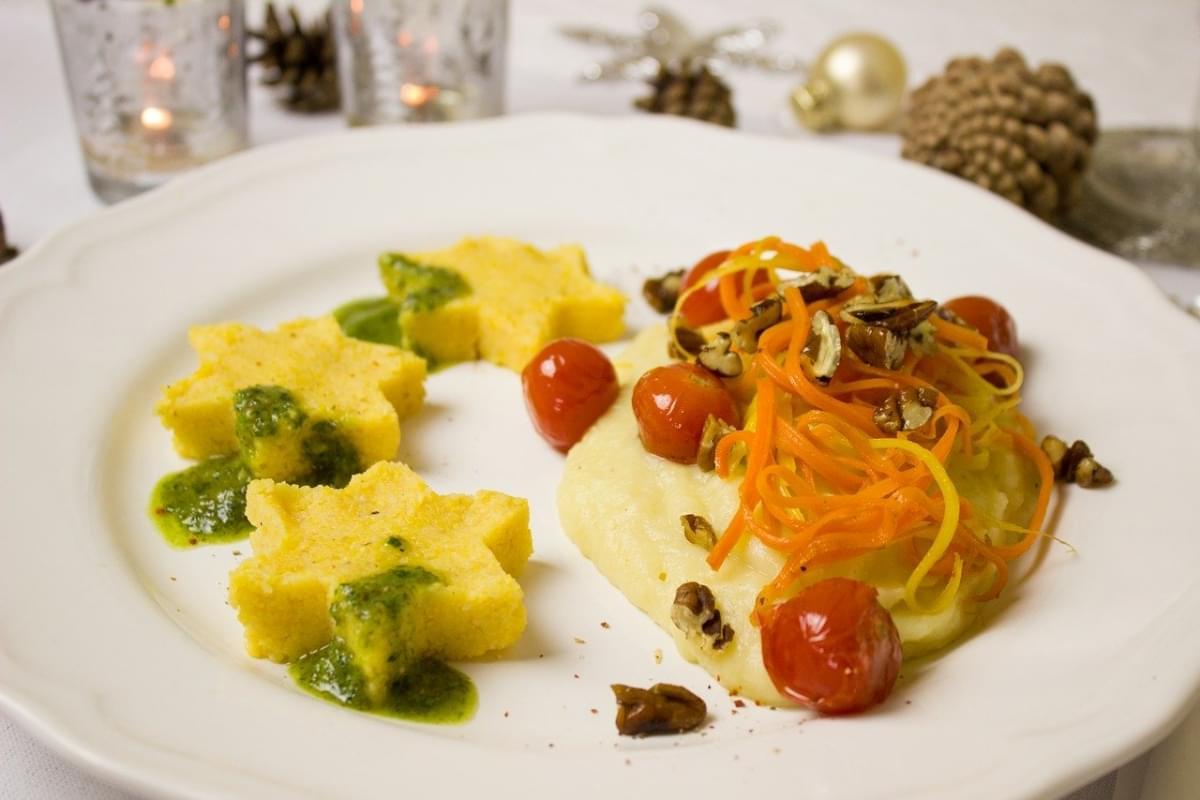 This is a dish of Italian origin, and originated as a food consumed mainly among the poorer segment of the population. While at one time it was made from spelt and rye, today the dish's characteristic colour is yellow, so it is prepared using maize flour. It is a typical dish of some northern regions, although it is still widely consumed in the Marche, Abruzzo, Lazio and Tuscany. Polenta is generally servedwith meat and sauce, cheese and butter.
6 - Mozzarella
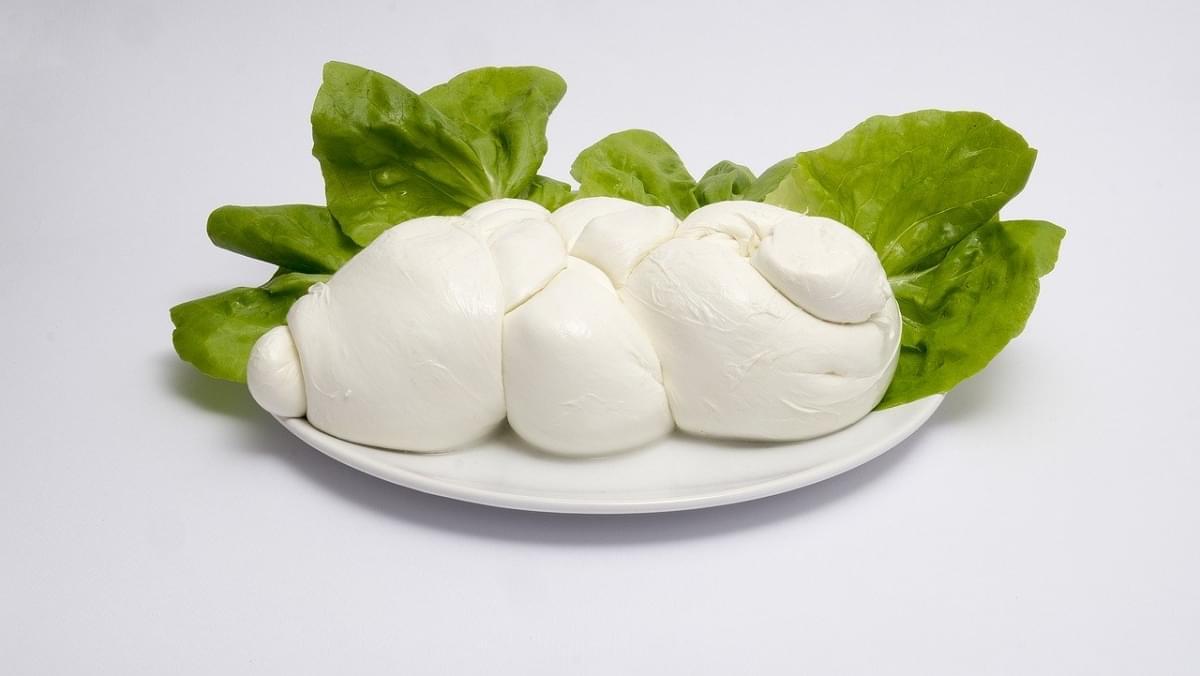 One of the most popular Italian cheeses in the world, this dairy product originates in southern Italy. To obtain mozzarella, hot spinning is used, a process that reduces the acidity of the milk.
Consumed fresh, to dress salads or enrich certain dishes, hot mozzarella becomes stringy and its fried version, mozzarella in carrozza, which sees the cheese as the protagonist inside crunchy layers of bread, according to the typical Neapolitan recipe, is very well known.
Lastly, protected by the PDO mark in Campania, mozzarella di bufala campana is also famous, i.e. mozzarella made from buffalo milk. Other variants are pecorina, typical of Sardinia, Lazio and Abruzzo, and caprina, recently produced, made from goat's milk, considered more easily digestible.
7 - Tiramisu
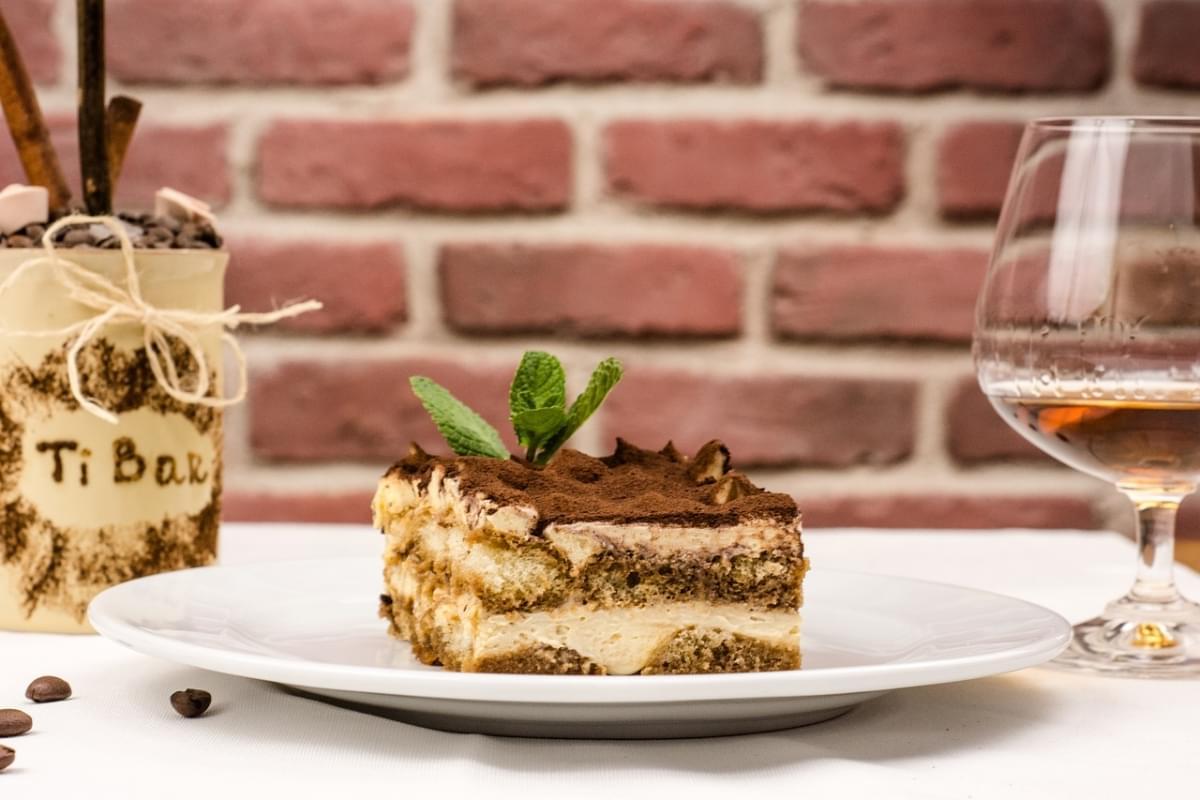 Among the sweets of traditional Italian cuisine, tiramisu, originating in the Veneto and Friuli-Venezia-Giulia regions, stands out, although there are theories that place its origin in Siena and Piedmont. In all cases, the protagonists are ladyfingers, soaked in coffee and then covered with a cream made of eggs, sugar and mascarpone, obtained by processing cream and citric acid, on which cocoa powder is finally sprinkled. A recently popular variant is tiramisu with strawberries, in which the ladyfingers are soaked in strawberry juice.
8 - Meatballs
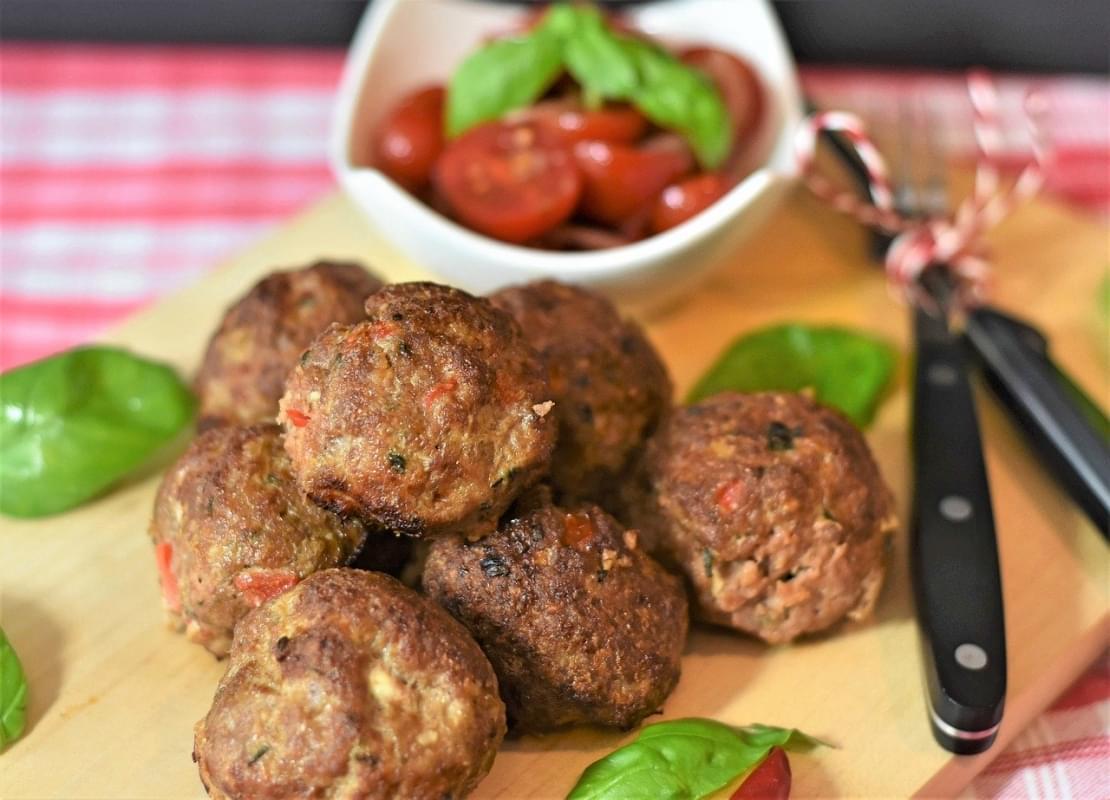 These are certainly among the most famous and tasty dishes of Italian cuisine. They are made from a mixture of meat, egg yolk, breadcrumbs and various spices, which is then worked into the round shape that characterises all meatballs. The meat can be replaced by vegetables or fish.
The term'meatball' first appeared in an Italian recipe book in the 15th century and the description given is practically the same as the recipe that is used today. Meatballs are cooked in various ways: fried, stewed, baked and served in just as many ways, e.g. to complete a main course, or to enrich certain types of pasta (spaghetti with sauce and meatballs is very famous in this regard).
9 - Arancine
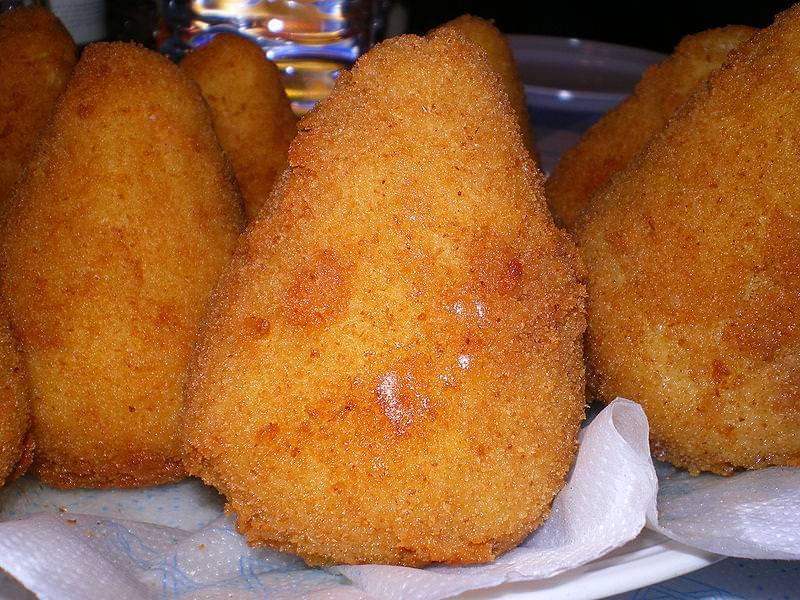 Photo by Alessandrocelona. Arancine, or arancini as they are known, are the symbol of Sicilian cuisine. Circular in shape to recall the food they are inspired by, the orange, or cone-shaped to evoke the shape of Mount Etna, arancine are made of rice and inside there is a sauce made of meat sauce or cooked ham and mozzarella, the mixture is then breaded and fried until golden brown.
The origin of the dish is uncertain and complex, and in Sicily several cities claim paternity of the recipe. In general, we know for sure that the recipe dates back to the Arab domination of the island, during which rice was imported.
10 - Parmesan
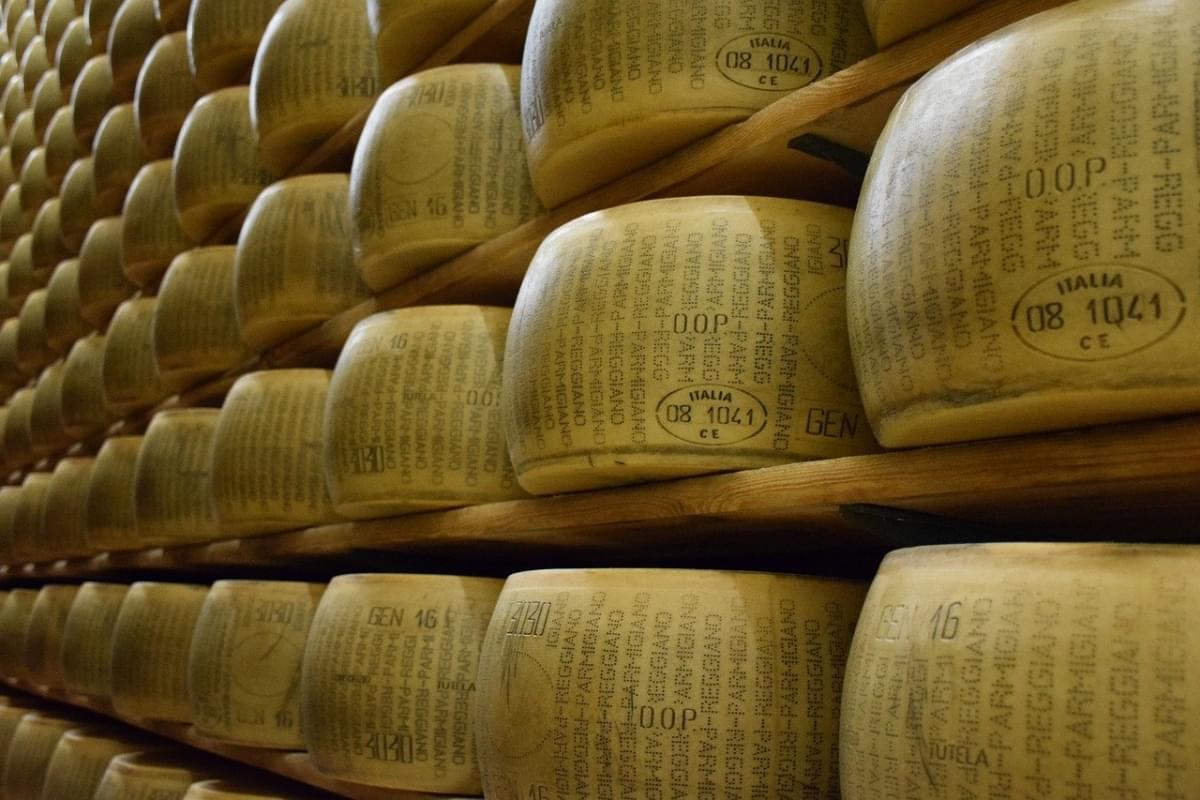 E' un formaggio a pasta dura di origine italiana, in particolare, il parmigiano per eccellenza è quello Reggiano, prodotto a Parma, Modena e Bologna. Its origin dates back to the 12th century, and the places where it began to appear were monasteries and fortresses, i.e. places where the first cheese factories were established.
Parmesan must mature for a minimum of 12 months, but in other cases it can be aged for up to 72 months. It can be eaten in flakes, as is often the case when preparing charcuterie boards, or grated, usually over pasta, such as spaghetti with sauce or cappelletti in broth (another typical Emilia Romagna dish).
11 - Coffee
 This beverage is obtained by processing the seeds of some tropical trees, Coffea. The origin of coffee is very complex and there are various legends about it, including one involving a shepherd from Ethiopia, who discovered the drink's exciting properties while observing the bizarre behaviour of his flock, precisely as a result of chewing Coffea plants. Coffee in Italy is widely consumed, especially in its espresso form, i.e. that obtained by roasting and grinding the seeds of the Coffea plant, Arabica or Robusta being the most widespread varieties.
12 - Ossobuco
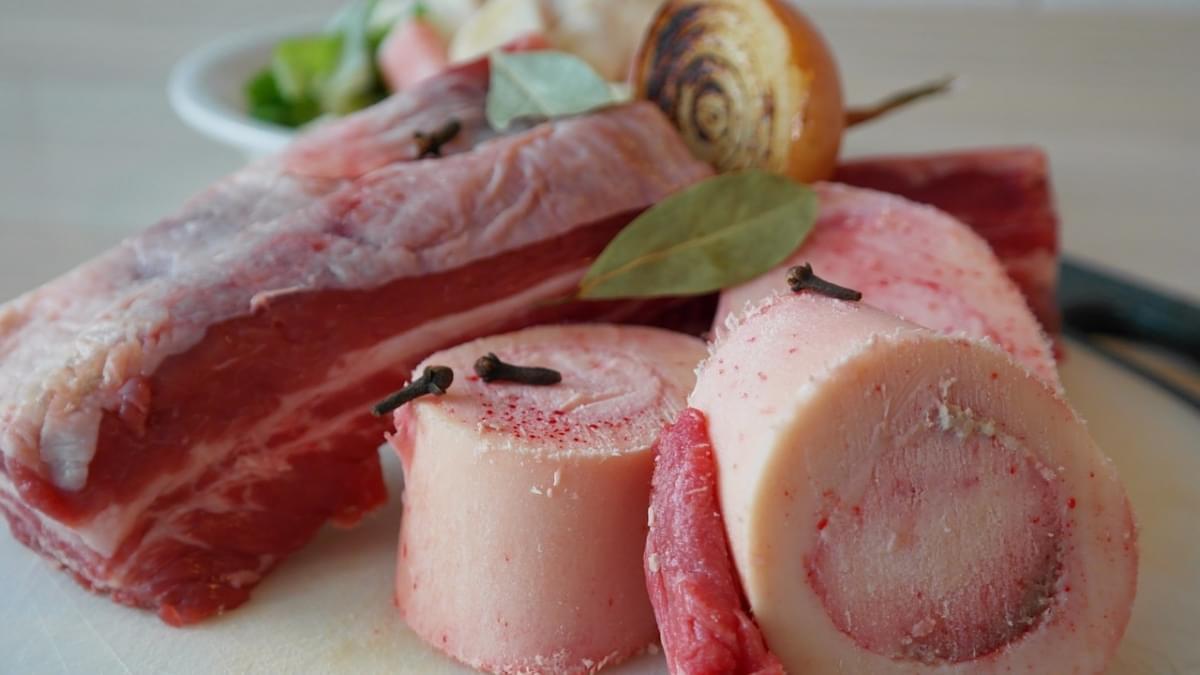 This is a dish of Lombardy origin, however it is not clear when the food started to appear on Italian tables. The earliest written traces date back to 19th century texts, where it is recorded that ossobuco was the festive dish eaten by the bourgeoisie. It is a complete single dish, as according to the traditional recipe the veal must be served with Milanese risotto and the indispensable gremolada, the sauce made by mixing lemon peel, parsley, garlic and anchovies. The particularity of ossobuco lies in the cut of meat chosen, which corresponds to the upper part of the leg, which is served with the bone, in which the marrow is found.
13 - Fiorentina (T-bone steak)
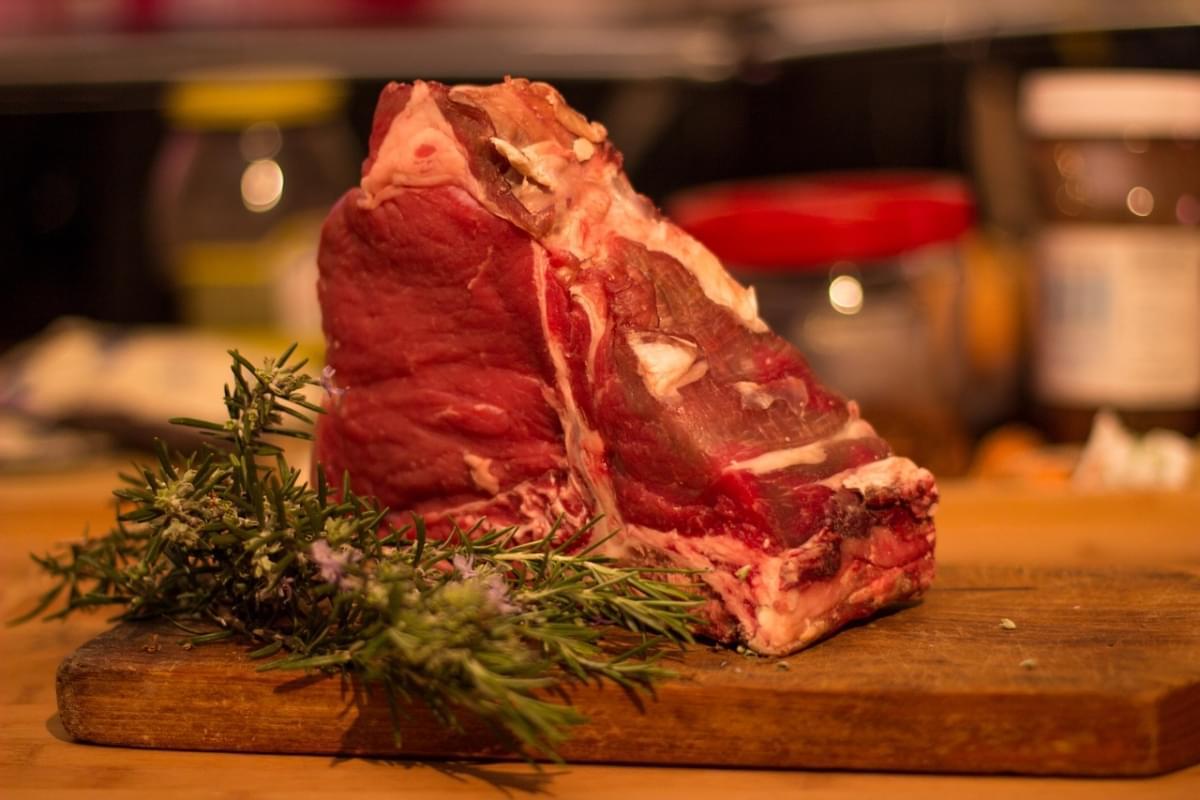 A typical dish of Tuscan cuisine, bistecca alla fiorentina is a cut of veal, exactly of the loin, the middle part of the back, which is served with part of the bone, after being cooked to perfection over a charcoal grill or grill.
According to legend, the dish originated on the day of San Lorenzo, 10 August, during the 17th century when the Medici ruled. It was some English travellers who gave the name to the dish they were eating in Florence, namely beef steak, hence the term steak still in use today.
14 - Ice cream
 It originated in Sicily, during the Arab domination, although it is known in various historical texts that a tasty dish made of snow and fruit existed since antiquity, from Alexander the Great to the Romans.
In Sicily, snow from Mount Etna was mixed with fruit juices with the addition of cane sugar, and soon these delicious sorbets became famous; but it was during the 17th century that a Sicilian fisherman, moving to Paris with his inherited sorbet-making tool, discovered the addition of milk, giving rise to the real ice cream. Milk, ice, almonds, pistachios, all the delicacies of the island took shape in the food that first drove the French court and then the whole world crazy.
15 - Bottarga
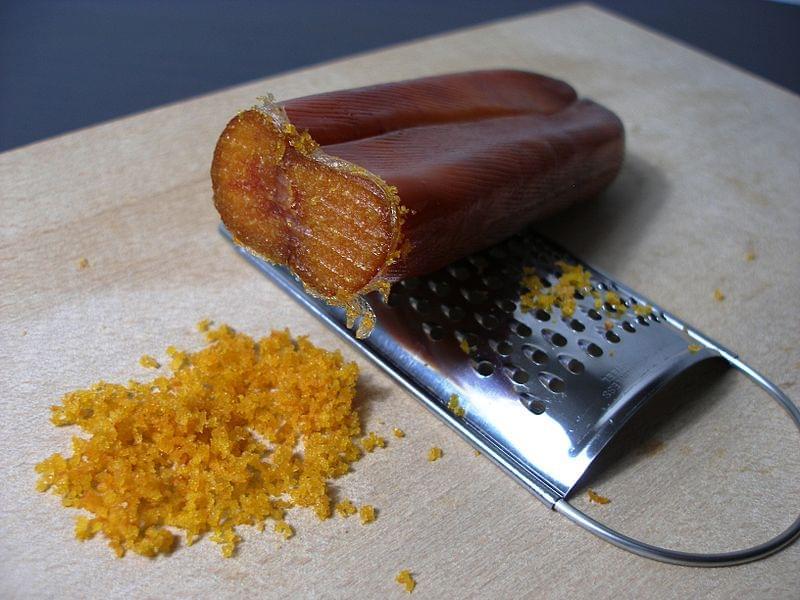 Photo by Radobera. Bottarga refers to fish eggs, whether mullet, tuna or swordfish, which are processed according to the process of salting and then drying.
Mullet botargo is usually associated with Sardinian and Tuscan cuisine, while tuna botargo is produced in parts of Sardinia, Sicily, Campania and Calabria. Its origin is uncertain, presumably the term derives from Greek, but in Italy it was the Arabs who introduced this type of preparation of fish roe, based on the salting technique.