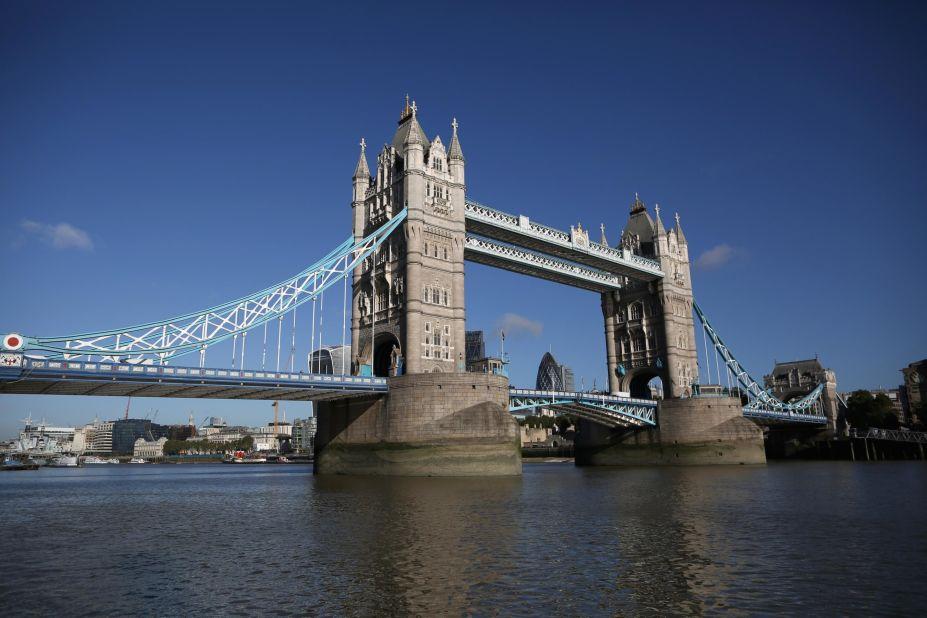
An emblematic London bridge: After marking its 125th year, this bridge stands as a distinguished symbol of London.
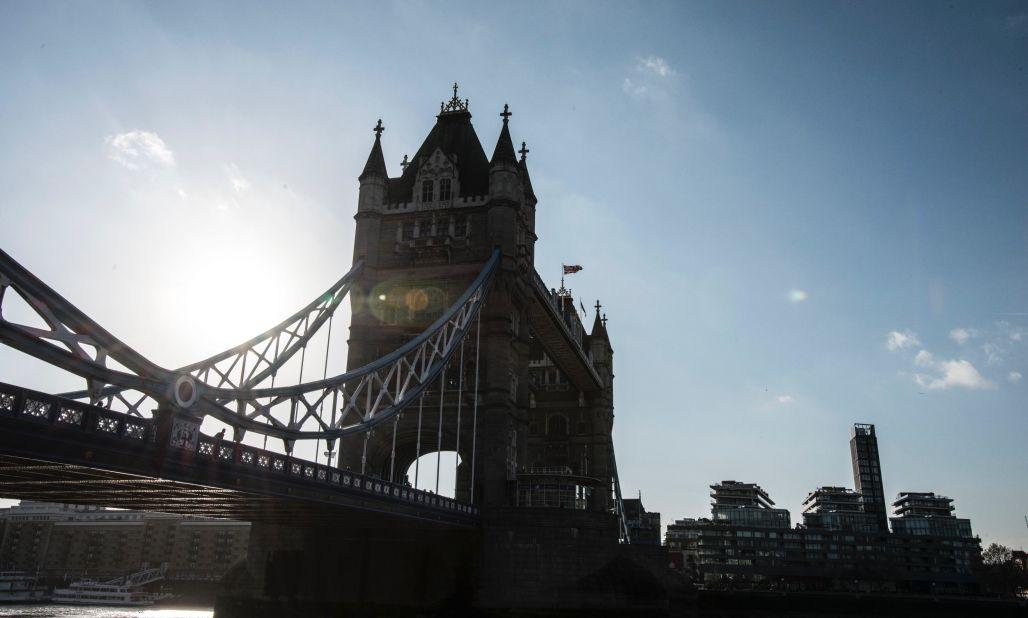
Distinguished Architecture: The renowned bridge was a masterpiece conceived by the municipal architect, Horace Jones, succeeding in a competitive public contest.
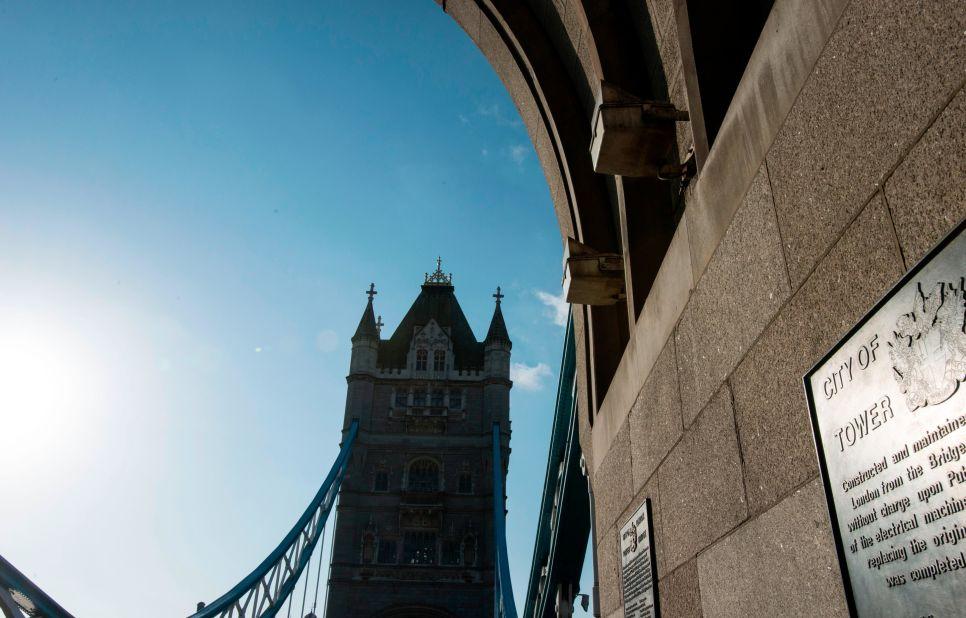
Distinctive Appeal: The Gothic architecture seamlessly meshes with the nearby Tower of London.
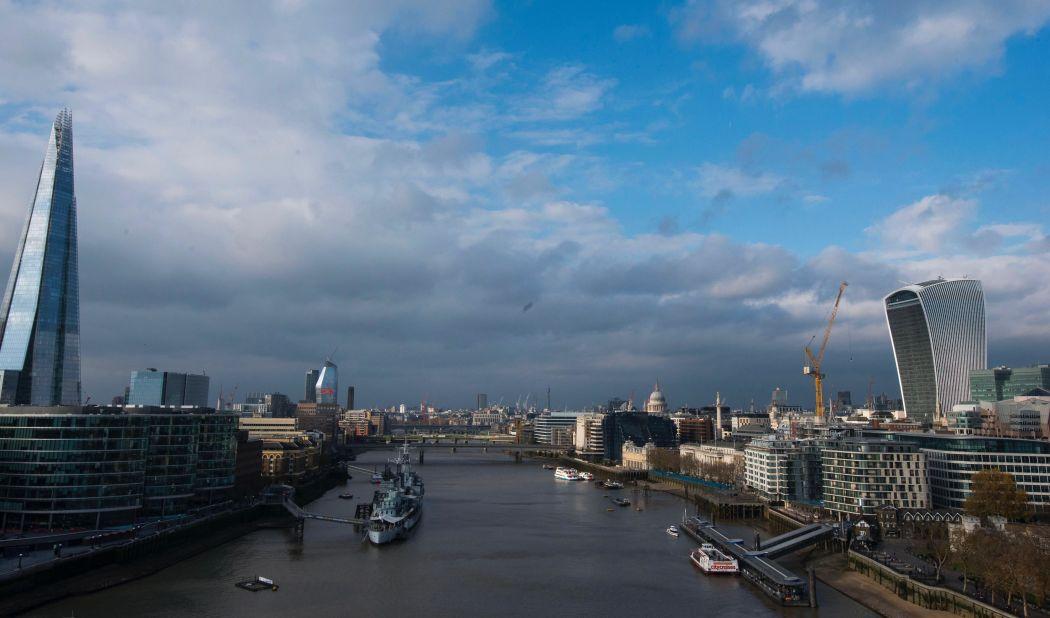
Remarkable vistas: Those who journey to Tower Bridge have the opportunity to saunter between its twin towers via the connecting walkways, while appreciating the sight of what once was a thriving harbor below.
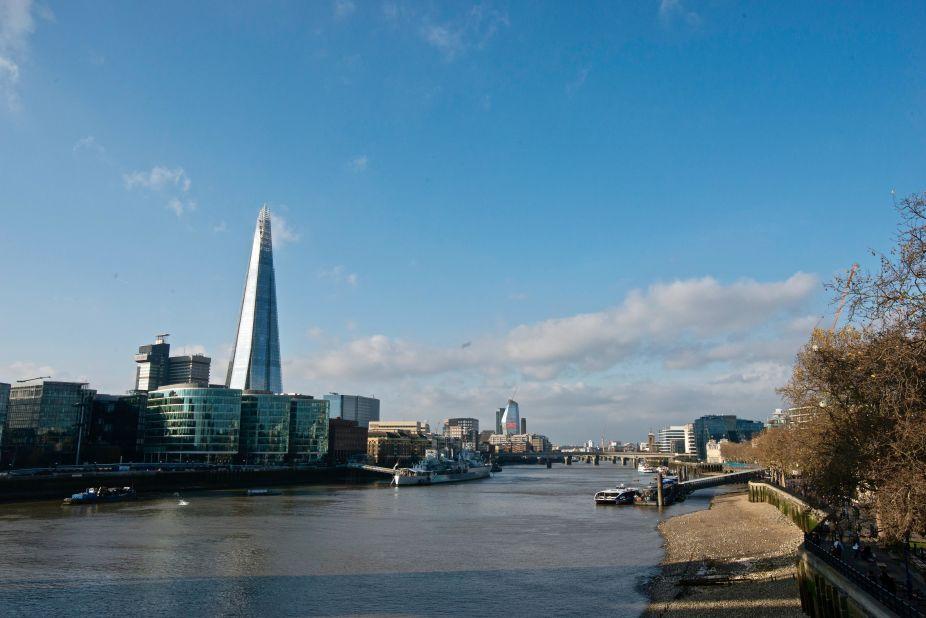
Discover a different perspective: The landscape of London's bridges has seen remarkable transformations over the centuries. Tower Bridge tour guide Rosie Haines unveils a fascinating historical insight, revealing that the view we admire today was once dominated by bustling warehouses, and the river Thames teemed with a daily influx of 160 boats.
Dive deeper into London's rich bridge heritage by exploring the compelling stories and architectural wonders behind each iconic structure. Uncover the tales of resilience, innovation, and engineering prowess that have shaped these magnificent landmarks. From the ancient magnificence of London Bridge to the modern marvel that is the Millennium Bridge, each crossing carries its own secrets and echoes of the city's vibrant past.
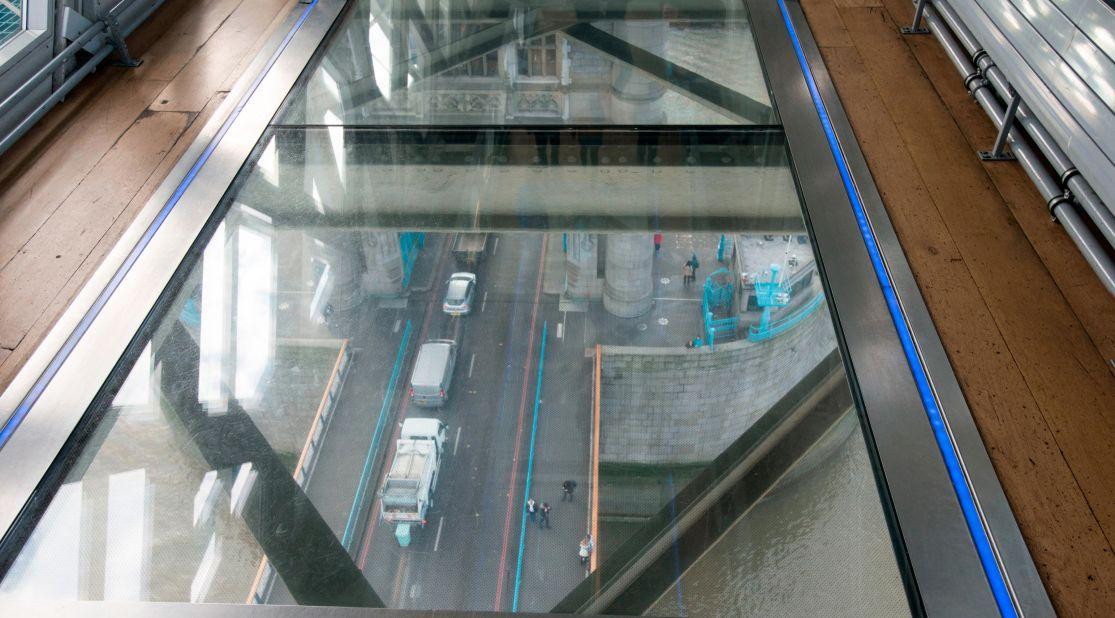
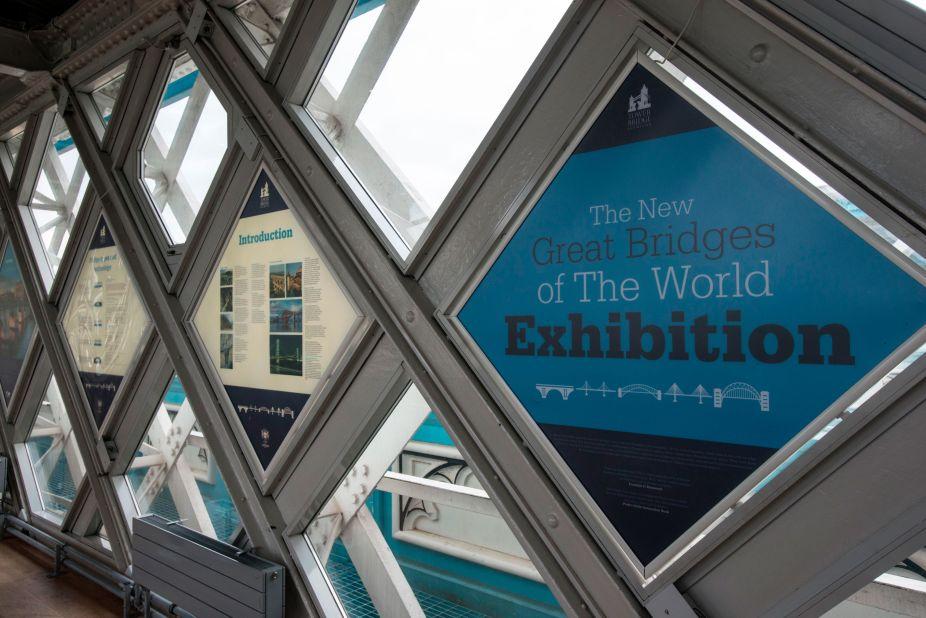
Strolling Through History: Remarkably, there once was a time when the passageways linking the two towers remained open to the public, only to be shut down in 1910. A rejuvenation in the 1980s saw these pathways bloom as a vibrant space for exhibitions.
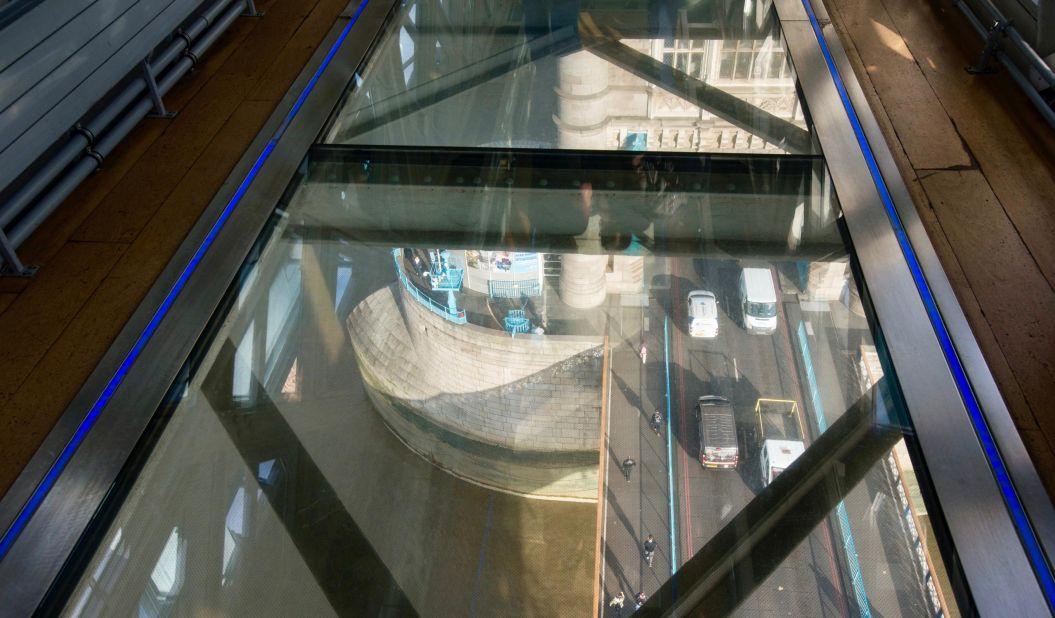
Versatile Venue: Boasting spectacular features, this venue has now turned into a sought-after setting for various events. It hosts everything from nuptial ceremonies to yoga retreats, and even serves as a prime spot for television shootings. Unexpectedly, it also sets the stage for heartwarming marriage proposals, complete with scattered rose petals and custom musical serenades, as Haines articulates. "The ambiance is just heartwarming and charming to witness," she adds.
Stopping traffic: When Tower Bridge first opened, there were 6,000 bridge lifts in the first year. Now, explains Haines, there's about 1,000 a year. "They used to just use a rope to stop traffic," she says. "Nowadays we have our own set of traffic lights and gates."
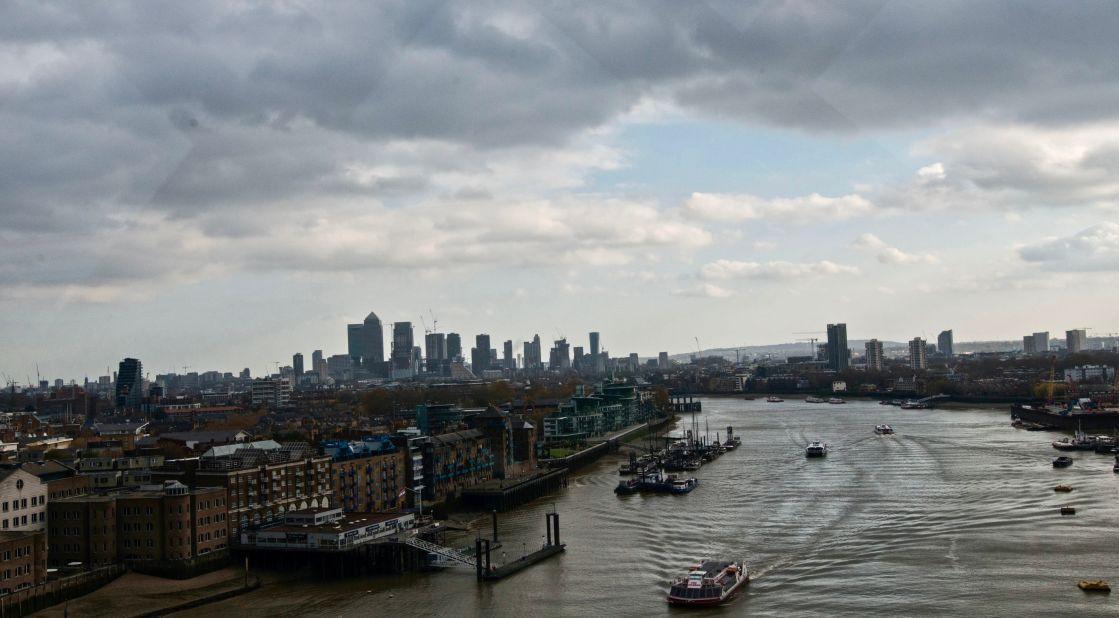
Revealing the Fascination of London's Bridges: While the attention often rests on the renowned views towards the west, it is the sights from the East Walkway that truly encapsulate the historical essence of London through the ages. "For a glimpse into the city's past and its majestic warehouses, there's no better vantage point than this," affirms Haines. Along the riverside, numerous former warehouses have undergone remarkable transformations, turning them into sought-after residential flats and adding to the allure of the area. After a day of exploring these magnificent bridges, what better way to unwind than a luxurious stay in one of London’s prestigious accommodations. You can find a host of 5 star hotels in London on www.hotels-of-lodon.com. Indulge in the comfort, elegance, and extraordinary service while taking in the impressive skyline view - the perfect way to end an insightful journey into London's past.
Come explore the intriguing stories behind London's bridges and delve into the secrets locked within their structures. Discover the evolving landscape of this ancient city as you embrace both its famous landmarks and its hidden gems hidden in plain sight. Marvel at the remarkable blend of history and modernity that London's bridges embody as they span the centuries above the iconic River Thames.
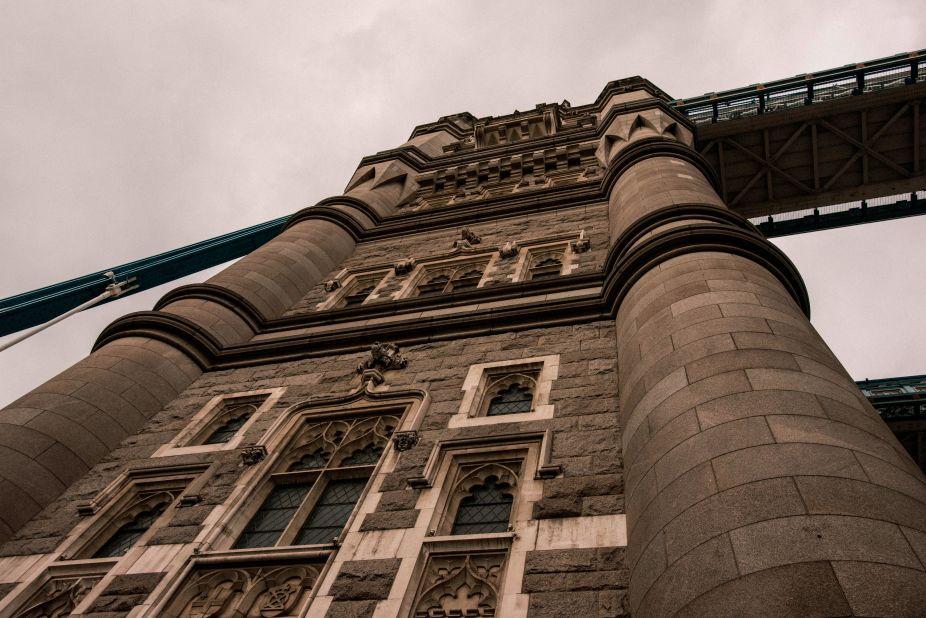
Fascinating design choices: The structural integrity of London's bridges rests on a combination of steel and brickwork. According to Haines, the brick cladding not only shields the steel framework from weathering but also serves as an aesthetic choice originally made by designer Horace Jones. Instead of exposing the steelwork, Jones opted for a brick covering, parallel to a Victorian lady adorned in corsets to avoid any potential scandalous associations.
Interesting trivia: The brick cladding on London's bridges not only protects the steel framework but also adds a touch of Victorian elegance to the cityscape, showcasing the ingenuity and attention to detail in bridge design throughout the centuries.
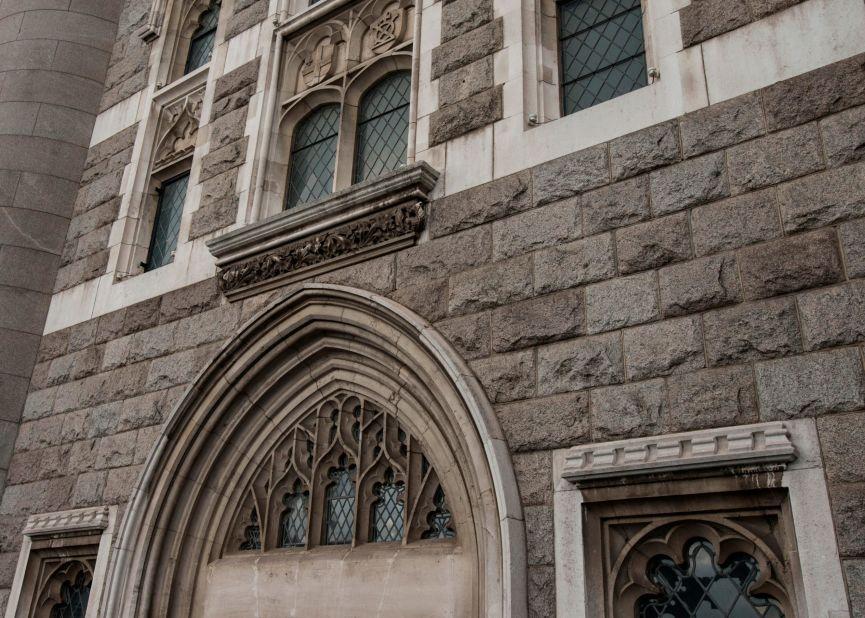
The craftsmanship behind Tower Bridge: Taking a closer look at the magnificent Tower Bridge reveals a captivating display of architectural finesse. Embellished with the emblem of St Paul, London's revered patron saint, the intricate details woven into the bridge's design are truly awe-inspiring. With an astonishing count of 31 million bricks employed in its construction, Tower Bridge stands tall as a testament to human ingenuity. Complementing the bricks, the bridge proudly boasts the exquisite Portland stone, skillfully engraved and etched, making it a sight to behold.
Did you know that Tower Bridge is equipped with a sophisticated hydraulic system that allows the roadway to be raised, creating passage for river traffic? This innovative feature has supported countless vessels traversing the River Thames over the centuries, showcasing the timeless versatility of this iconic bridge.
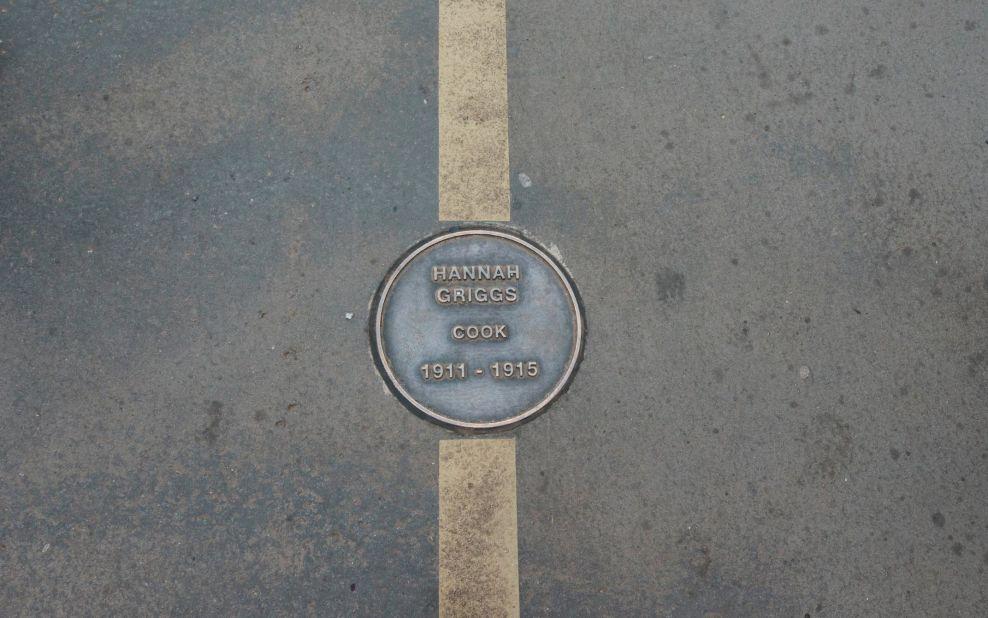
A Legacy of Connections: Discovering the rich history of London's iconic bridges is like exploring the intricate threads that weave together the city's past. As we stroll along the south side of the Bridge, we encounter the captivating "Walk of Fame," adorned with a series of plaques paying homage to the individuals who have contributed to its enduring legacy. Among them is Hannah Griggs, a true trailblazer who etched her name in history as the first woman to lend her expertise to the construction of the magnificent Tower Bridge.
Unveiling these personal stories illuminates the hidden narratives of London's architectural marvels. The "Walk of Fame" instills a profound appreciation for the dedicated individuals who labored tirelessly behind the scenes, pushing boundaries and defying expectations. Each plaque whispers tales of the past, serving as a reminder that London's bridges are not merely structures of steel and stone, but living remnants of human ingenuity and connection throughout the centuries.
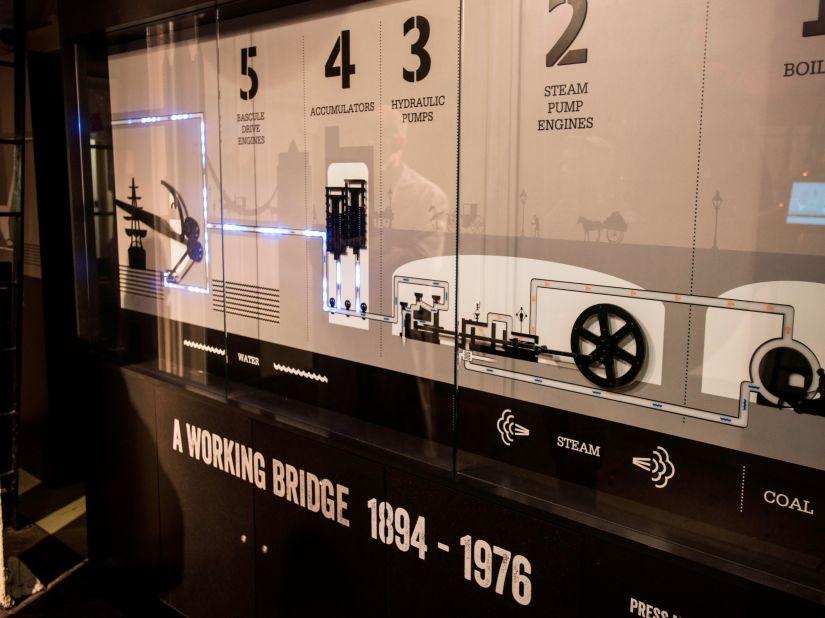
Engineering marvel: Tower Bridge now lifts its bascules using electricity -- but from 1874 to 1976 it was operated using steam and hydraulic power. Visitors to Tower Bridge can peak inside the Engine Rooms, to learn how this feat of engineering was pulled off.
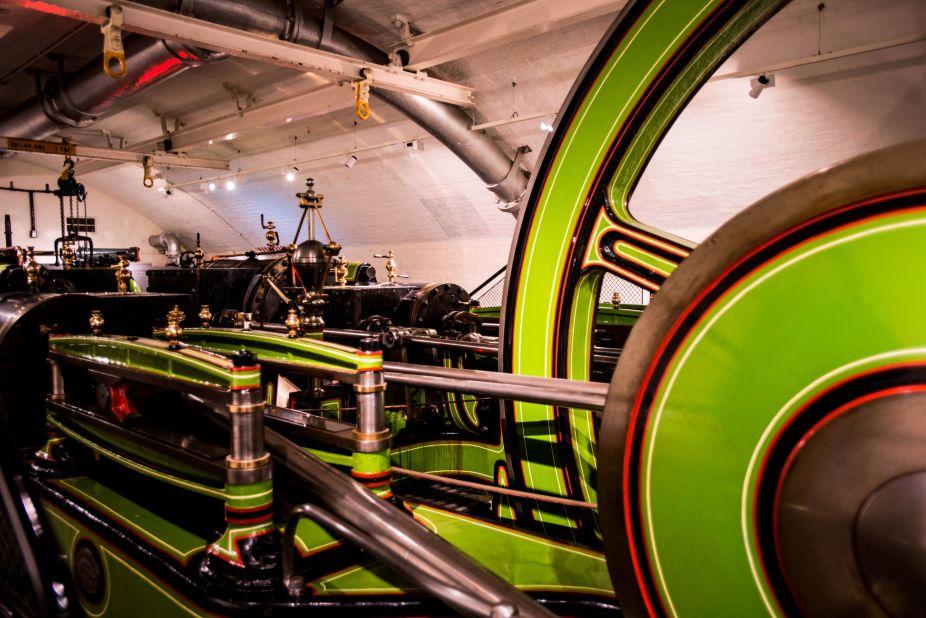
Maintained in impeccable condition: The splendid green steam engines have been meticulously hand-painted and are still preserved in impressive working condition. Despite not being actively used, great care is continually taken for the engine rooms to ensure their functionality. In fact, it is intriguing to note that if all the necessary connections were made, these engines could still operate today.
A touch of royalty: Presently, a complete bridge lift requires approximately 4.5 minutes. Interestingly, using electrical power takes slightly longer to lift the bascules compared to steam power; however, this modern method is more environmentally friendly and economically efficient. The bridge's opening angle is limited to 87 degrees, which is commonly referred to as a "royal salute" and is reserved exclusively for monarch-related occasions such as the Queen's traversals. Fun fact: On a unique occasion, a full lift was performed for Winston Churchill's funeral procession.
Inside London's most famous bridge
It’s early morning in the city of London, and the sun’s illuminating Tower Bridge’s turrets. Even just by reflection, the silhouette of this famous bridge is immediately recognizable.
Passersby jostle to use the walkway to get to work. Tourists pose for photographs, stretching to get both towers in their selfie.
If they stick around long enough, they’ll see the bridge do its most famous trick, splitting in two to let ships pass by.
London’s defined by the curving River Thames, the famous tributary which weaves through the city center and into the countryside beyond, defining the landscape and splitting the city in two.
Connecting the dual halves of the city are a series of bridges, from the famous – Tower Bridge, of course, and the Millennium Bridge, star of the “Harry Potter” movies – to lesser known, local landmarks.
So how did bridges become so much a part of London’s DNA?
According to former City of London Planning Officer Peter Wynne Rees, it’s all down to: “a few boatloads of drunken, sex-starved Roman soldiers [who] sailed up the Thames and ran aground.”
Realizing the city had the potential to be a trade hub, the Romans built the city’s first bridge over a low point in the waterway: the first London Bridge.
In the two millennia since, London Bridge has been rebuilt several times and is now joined by 32 other bridges dotted along the Thames. But which bridge is which? And which is worth a visit?
Read on for our complete guide to London’s bridges – and to learn some secrets along the way.
London Bridge
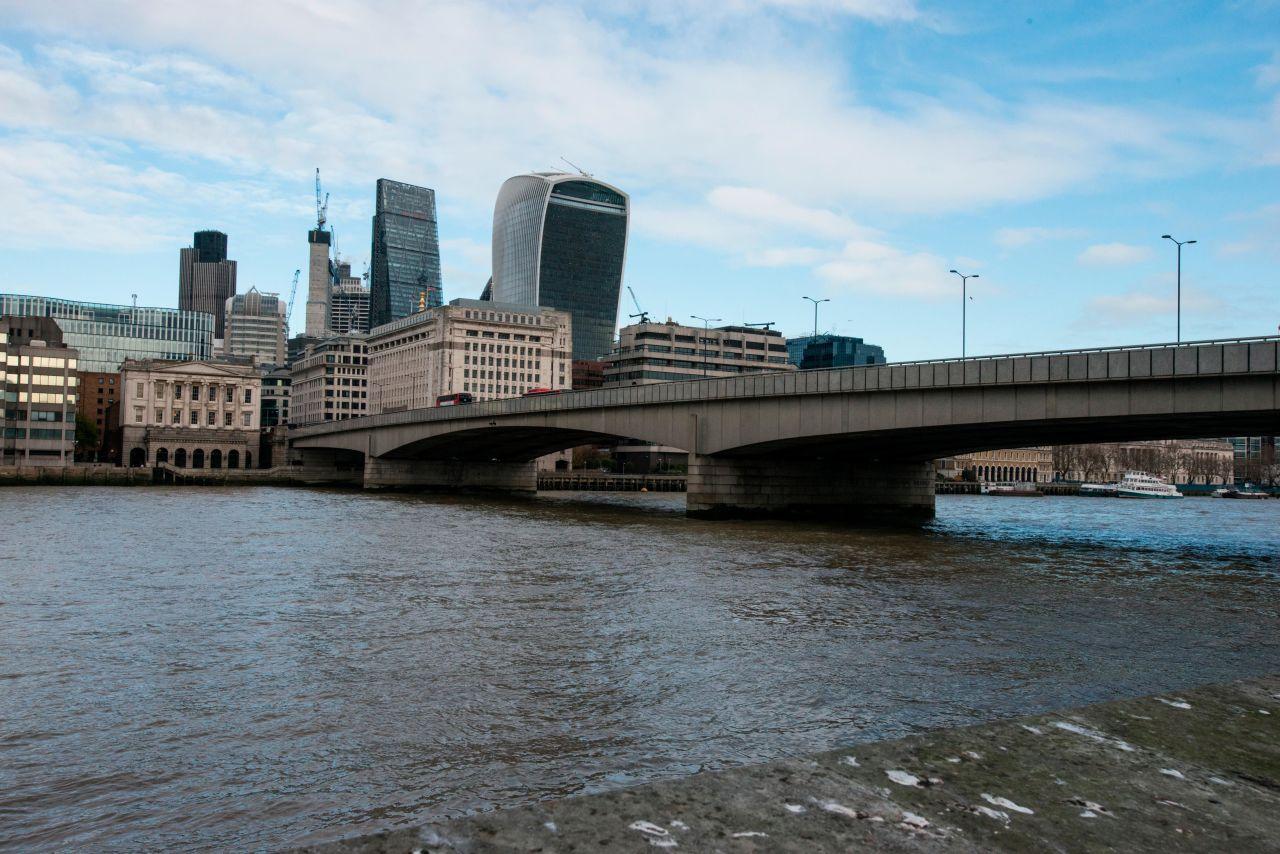
London's bridges hold centuries of secrets and stories, captivating both locals and visitors alike. Tower Bridge, a magnificent Victorian Gothic structure, often gets mistaken for the iconic London Bridge, which has a rich history dating back even further.
Unlike Tower Bridge, London Bridge has experienced multiple regenerations throughout the years, with each version leaving its mark on the city's landscape. The earliest Roman pontoon bridge, believed to have fallen into disrepair after the Romans departed from Britain, was replaced and destroyed several times after the Norman Conquest in 1066.
In 1209, the first enduring London Bridge was finally constructed after three decades of meticulous building. This medieval marvel, situated at a narrow point of the river, faced the challenge of supporting a significant volume of water, resulting in unevenly spread arches.
It is this historical bridge that likely inspired the famous nursery rhyme, "London Bridge is Falling Down." The viaduct's architectural design and recurring reconstruction have left Londoners with a legacy immortalized in verse.
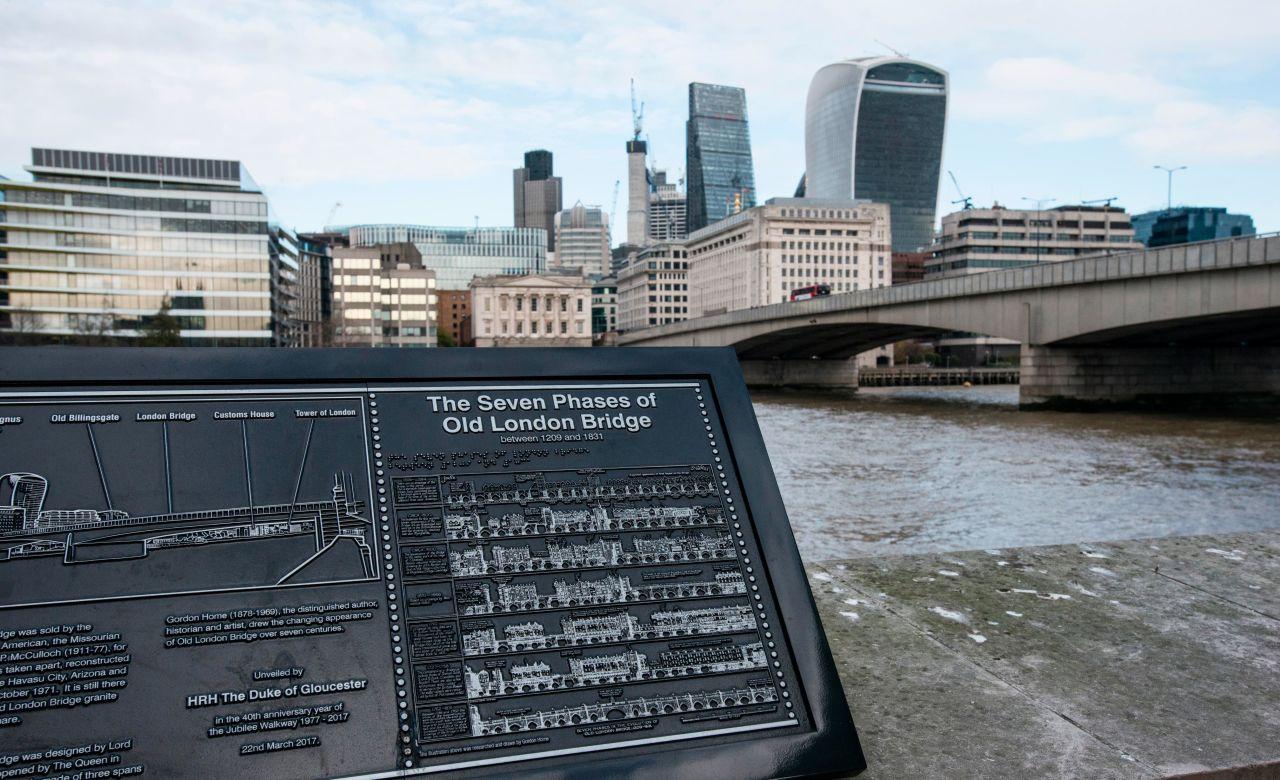
The bridges of London have undergone numerous transformations throughout history, with each iteration reflecting the changing needs and demands of the city.
Aside from being iconic architectural structures, these bridges also hold fascinating stories and secrets within their foundations.
The London Bridge, for instance, not only played a pivotal role in the city's transportation network but also housed several houses and buildings, creating a bustling community that flourished atop the bridge.
A toll was required for anyone wishing to cross the bridge, ensuring its maintenance and funding various activities within the city.
Furthermore, the bridge's sinister adornments, such as the spikes that displayed the heads of executed traitors, served as a stark warning to those entering the City of London.
However, the bridge's long history and frequent usage posed considerable risks of collapse due to its perpetual activity and constant wear and tear.
Throughout the centuries, London Bridge has undergone several reincarnations, each reflecting the aesthetic and functional preferences of its time.
One notable incarnation, constructed by John Rennie in the 19th century, garnered literary fame in Charles Dickens' "Oliver Twist," as the tragic site of Nancy's demise.
A fascinating twist of fate led to this particular version of London Bridge relocating to Lake Havasu in Arizona, United States, where it now stands as a testament to the enduring legacy of London's bridges.
Discovering the remarkable journey and secrets behind these bridges unveils the captivating narrative of London's architectural heritage.
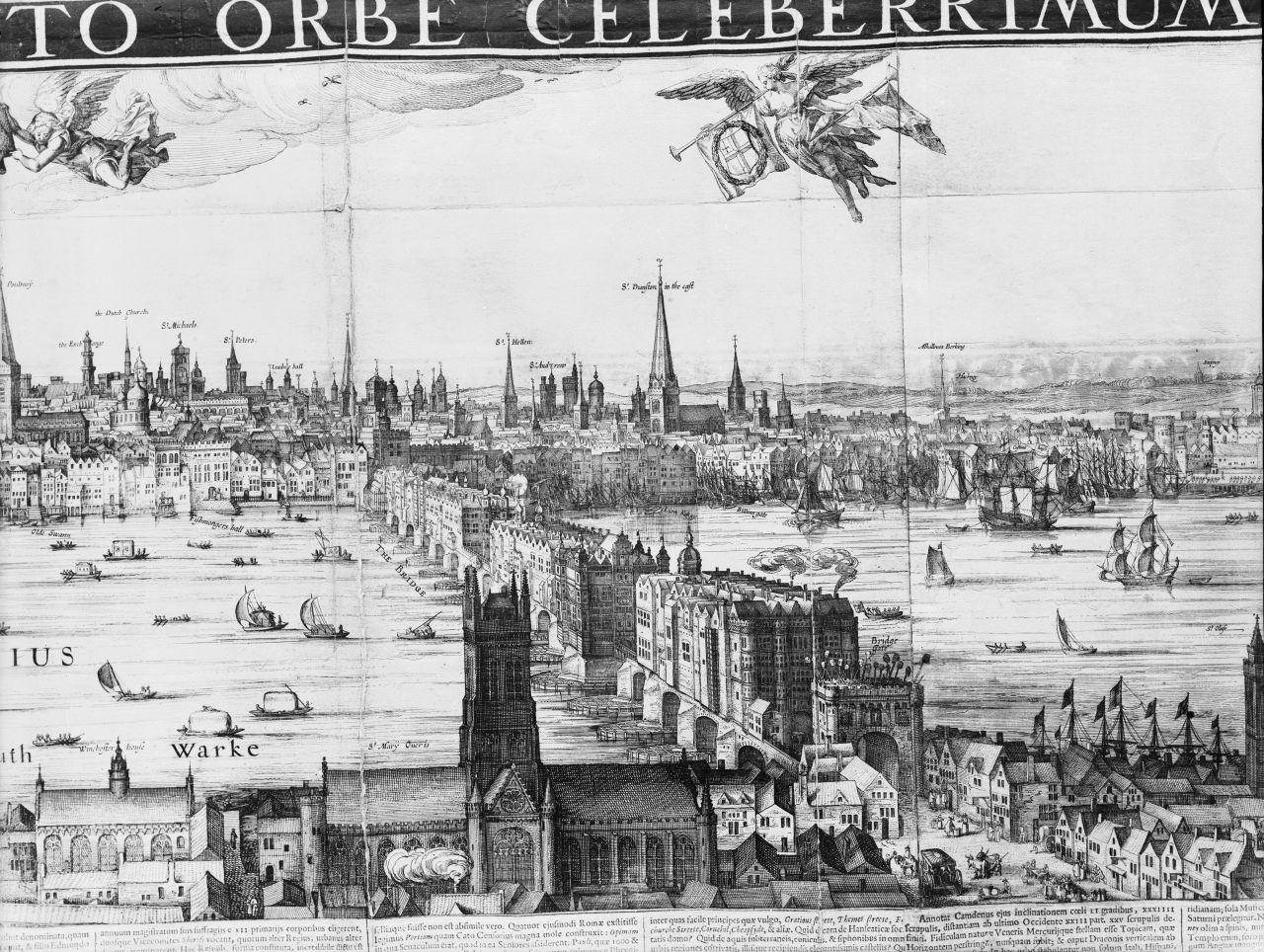
This excerpt from Vischer's Panorama of London (1616) offers a compelling glimpse into the densely populated medieval London Bridge, showcasing the historical significance of this iconic structure.
Interestingly, during the 1960s, the City of London put forth a proposal to replace the Victorian bridge with a wider and more ornate bridge, complete with turrets. However, a curious twist in the story emerged when a group of wealthy Americans mistakenly assumed that the Tower Bridge, a visually stunning landmark, was slated for demolition instead.
London's bridges hold countless secrets, each spanning centuries and offering a unique window into the city's rich history. Discovering the true tales behind these architectural marvels invites us to delve into an enchanting past, where bridges served as vital links connecting communities and facilitating trade.
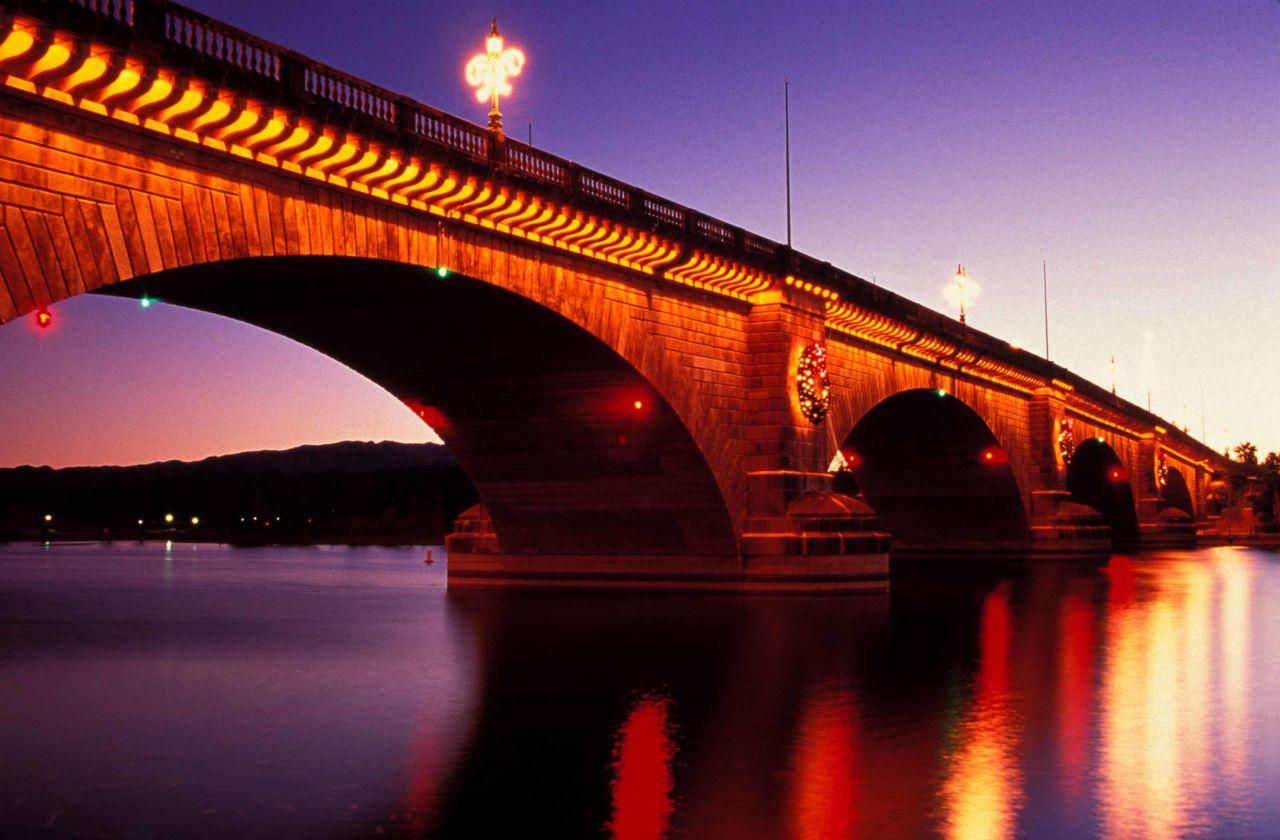
The London Bridge in Lake Havasu City, Arizona, is a faithful reconstruction of its 19th-century counterpart from the bustling capital of England. While initially mistaken for the iconic Tower Bridge, the truth behind the purchase remains shrouded in mystery. Some speculate that the transaction was a clever ploy to entice visitors to Arizona, sparking intrigue and wanderlust. Regardless, this non-moving bridge found its new home far away from London's historic waters.
The current London Bridge may not hold the title of the city's most visually stunning bridge, but its rich and diverse history, coupled with its cultural significance, beckons travelers from near and far. Its presence adds a distinctive charm to the landscape, inviting exploration and contemplation of the tales it must hold within its sturdy structure.
Tower Bridge
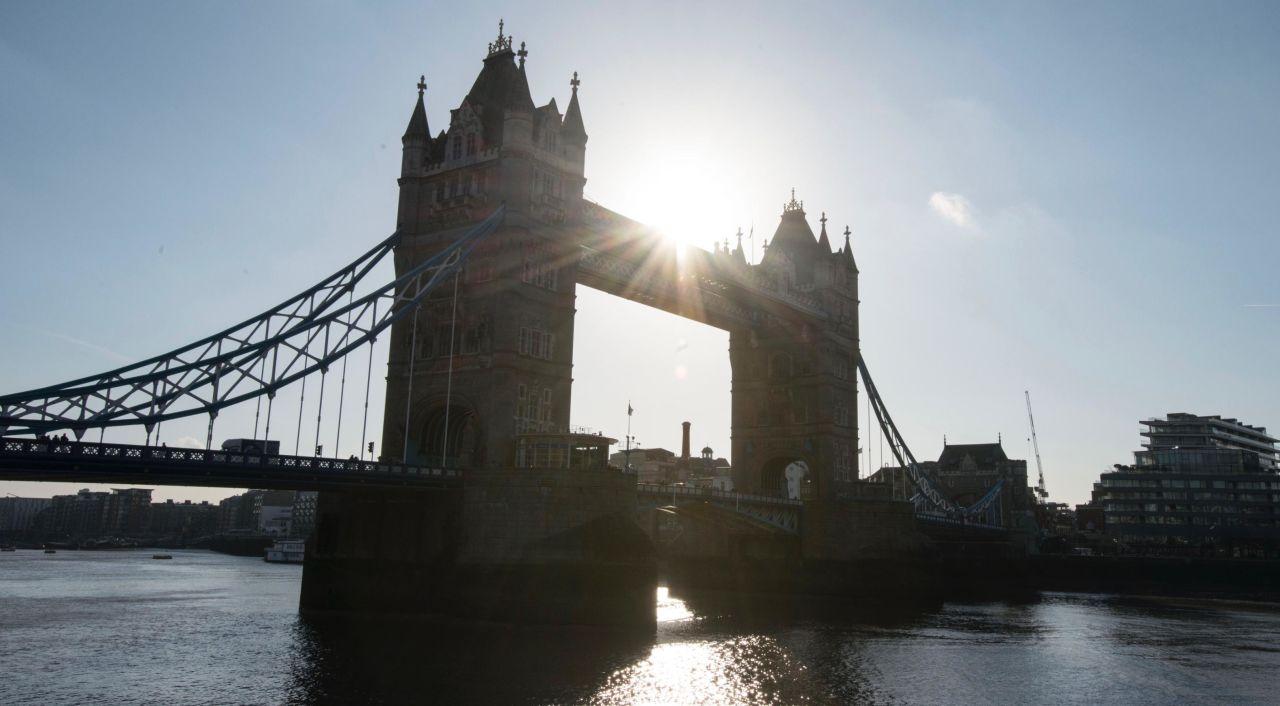
Still known as a symbol of London after 125 years of its inauguration in 1894, Tower Bridge continues to captivate visitors.
One may experience disappointment upon realizing that London Bridge, built during the 1960s, is actually a concrete edifice. However, the magnificent Victorian Gothic allure of the Tower Bridge offers an intriguing alternative.
"The Tower Bridge stands as the modern beacon of London, clad in the regality of Gothic stonework, despite having a modern steel infrastructure that facilitates elevation," shares Wynne Rees.
An astounding amount of 11,000 tonnes of steel was used in the construction of this marvelous structure.
Rosie Haines, a tour guide at Tower Bridge, recalls to CNN Travel, "During its construction in the late 19th Century, roughly 5,000 tonnes of steel were shipped each week from Glasgow, Scotland."
The impressive design of Tower Bridge, a brainchild of city architect Horace Jones, was the winning entry in a public competition held for the purpose.
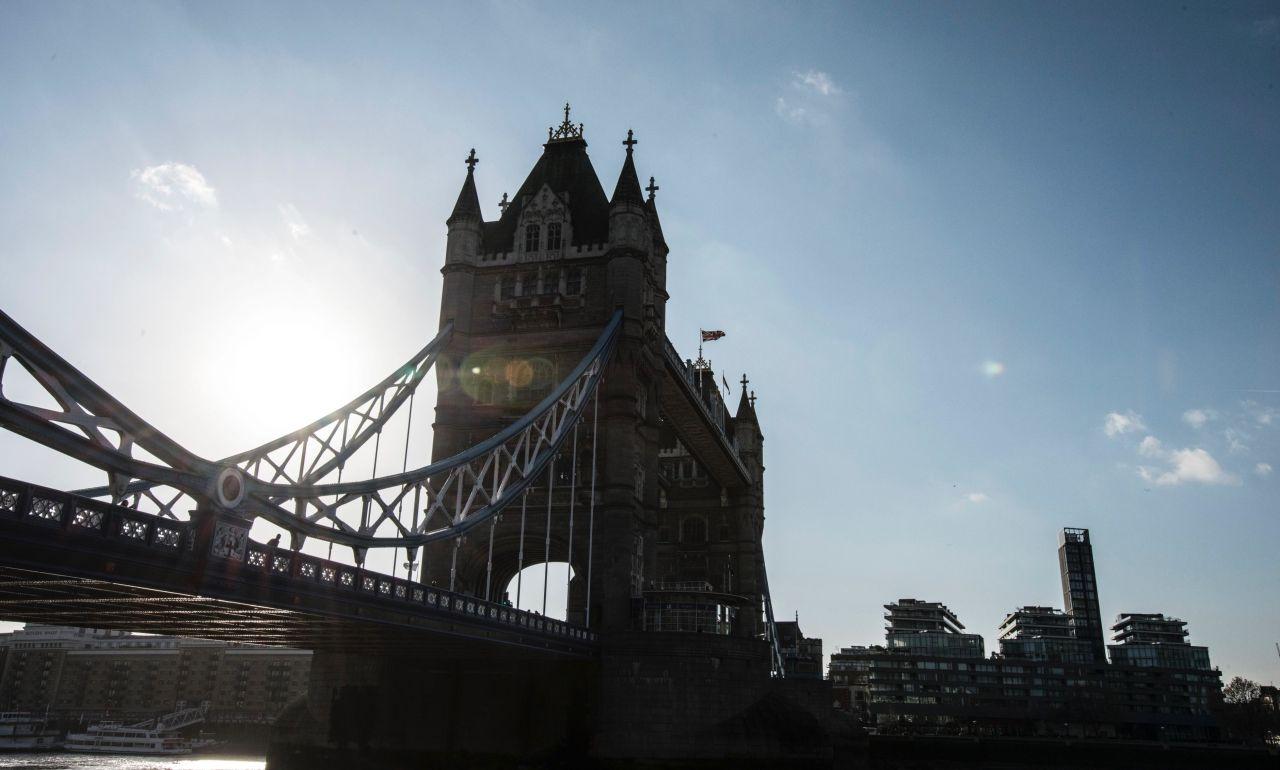
Tower Bridge lifts to let boats pass through.
Secrets of the Tower of London
Jones designed the turreted bridge to complement its famous neighbor: the Tower of London.
He designed the bridge’s bascules to tilt skywards, allowing ships to pass through.
The city’s developers were keen to ensure the bridge wouldn’t block trade coming in and out of London, then a thriving center of the commerce.
The walkways between the two towers were originally public paths, but they closed in 1910 to discourage so-called “ladies of the night” from frequenting them.
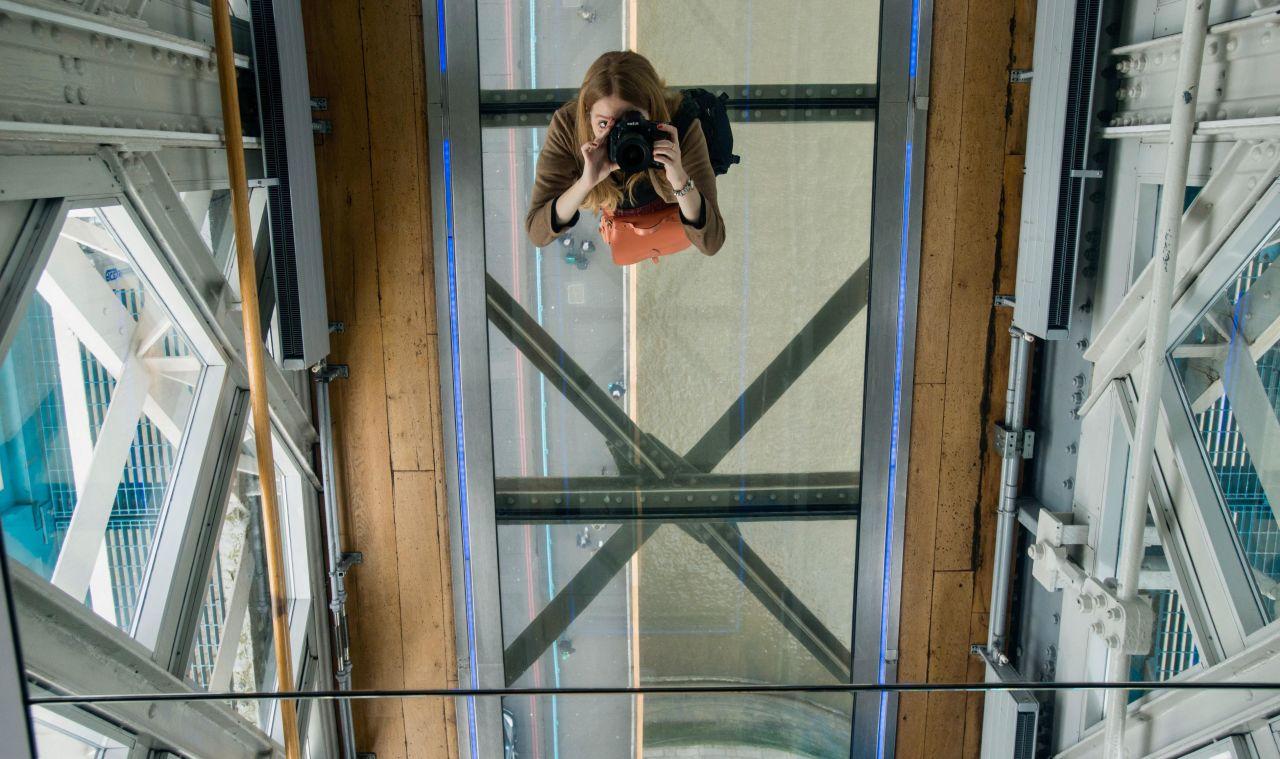
Brave Tower Bridge visitors can take a stroll on the Glass Walkways.
In 2014, Tower Bridge installed new glass walkways connecting the two towers. The clear floors offering glimpses of the river rushing 138 feet below, while wide windows showcase the city’s skyline.
From the walkways, visitors can admire the views westwards, to The Shard and St. Paul’s Cathedral. Views east spotlight the former London warehouses and Jacob’s Island, made famous in the novels of Charles Dickens.
The bridge still lifts to let boats pass by – it opens as much it needs to depending on the size of the boat.
“A bridge lift can take about 5 minutes to 15, depending on the size,” says Haines.
And fun fact: former US President Bill Clinton once got stuck on the south side of the river by Butler’s Wharf during a bridge lift.
“It just goes to show that even if you are the President of the United States, the bridge lift will take precedent over you!” laughs Haines.
Westminster Bridge
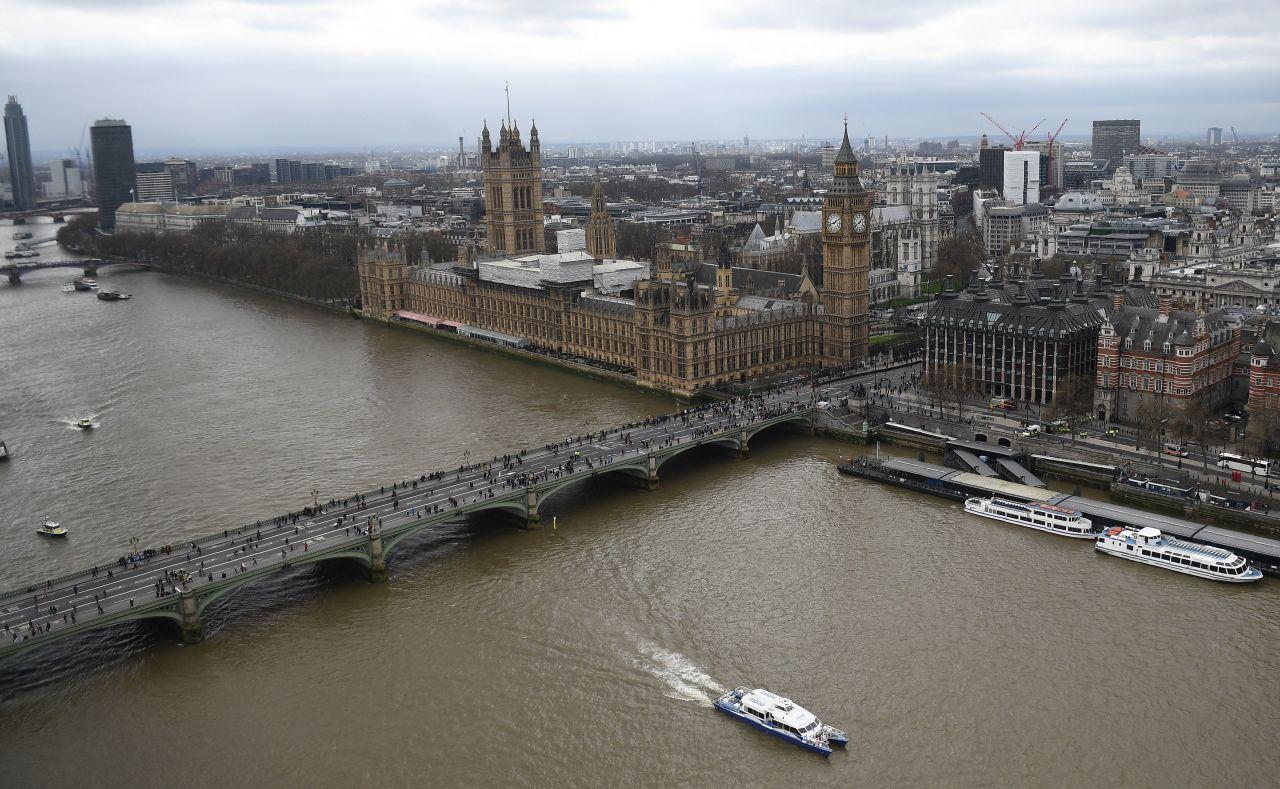
Experience the historic allure of London's iconic Westminster Bridge as it leads you to the majestic Palace of Westminster. Be captivated by the breathtaking vistas of Big Ben and the Houses of Parliament that await you.
With a rich history dating back to the 1600s, Westminster Bridge stands as a fascinating London landmark. Its construction faced strong opposition, most notably from the "watermen" who relied on ferrying pedestrians across the river in boats for their livelihood.
Discover a bygone era when London's bridge network was limited, and the reliable London Underground system had yet to be established. Embrace the past and delve into the stories of how the city's bridges shaped its evolution.
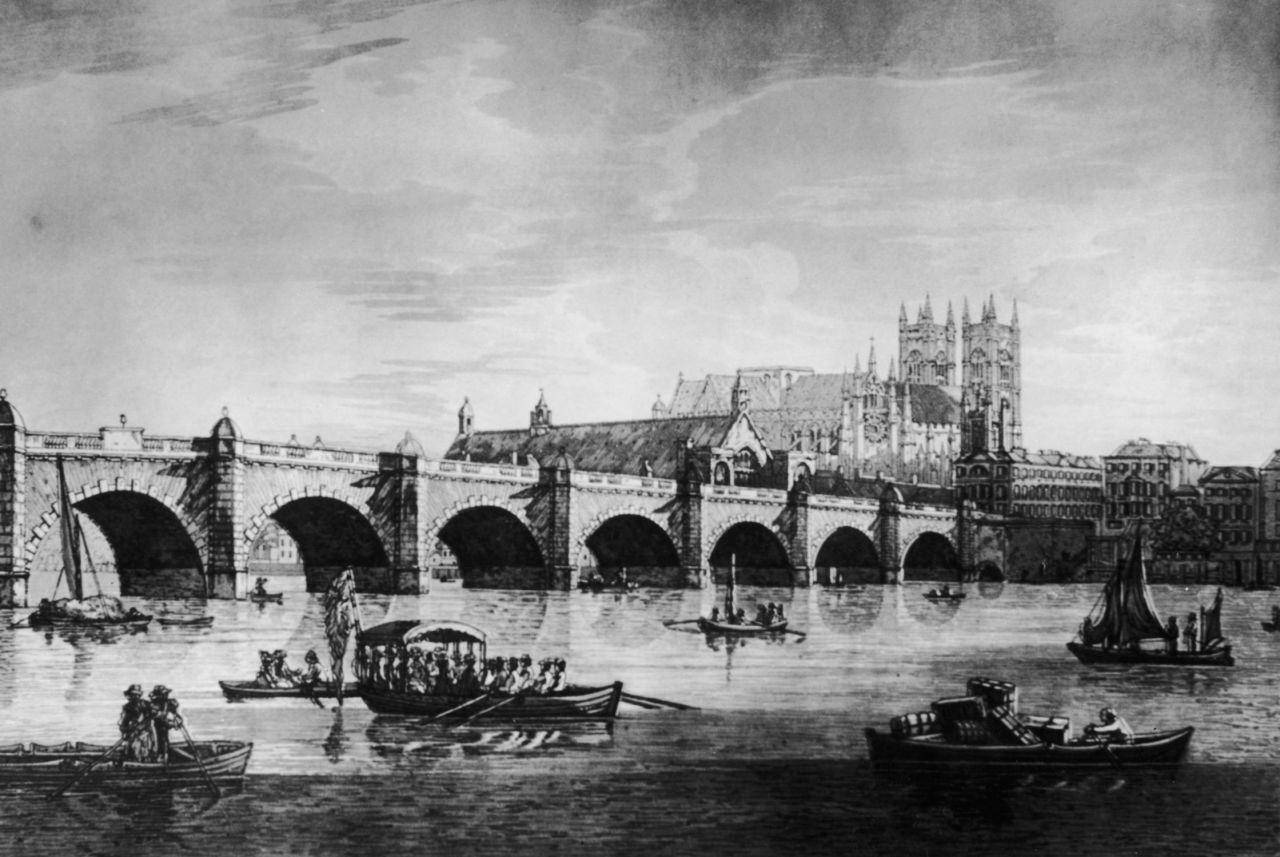
The original image depicts the Westminster Bridge as it appeared in 1790, captured in an aquatint by Farrington and Stadler. The bridge has a rich history, having undergone various transformations over the years.
When it comes to choosing the best London airport to use, several factors need consideration. While Heathrow Airport is the busiest and offers a wide range of international connections, London City Airport is conveniently located for business travellers in the heart of the city. Another option worth considering is Gatwick Airport, which serves as a hub for numerous low-cost airlines.
Westminster Bridge, despite facing initial opposition from watermen, was eventually approved and opened in 1750. The bridge, which was immortalized in artwork by JMW Turner, still stands to this day and holds the title of the oldest Thames road bridge in central London.
An updated version of the Westminster Bridge was introduced in 1862, designed by architect Thomas Page. Its Gothic details beautifully complement the nearby Palace of Westminster, while its green color, matching the leather seats in the House of Commons, adds to its distinct charm.
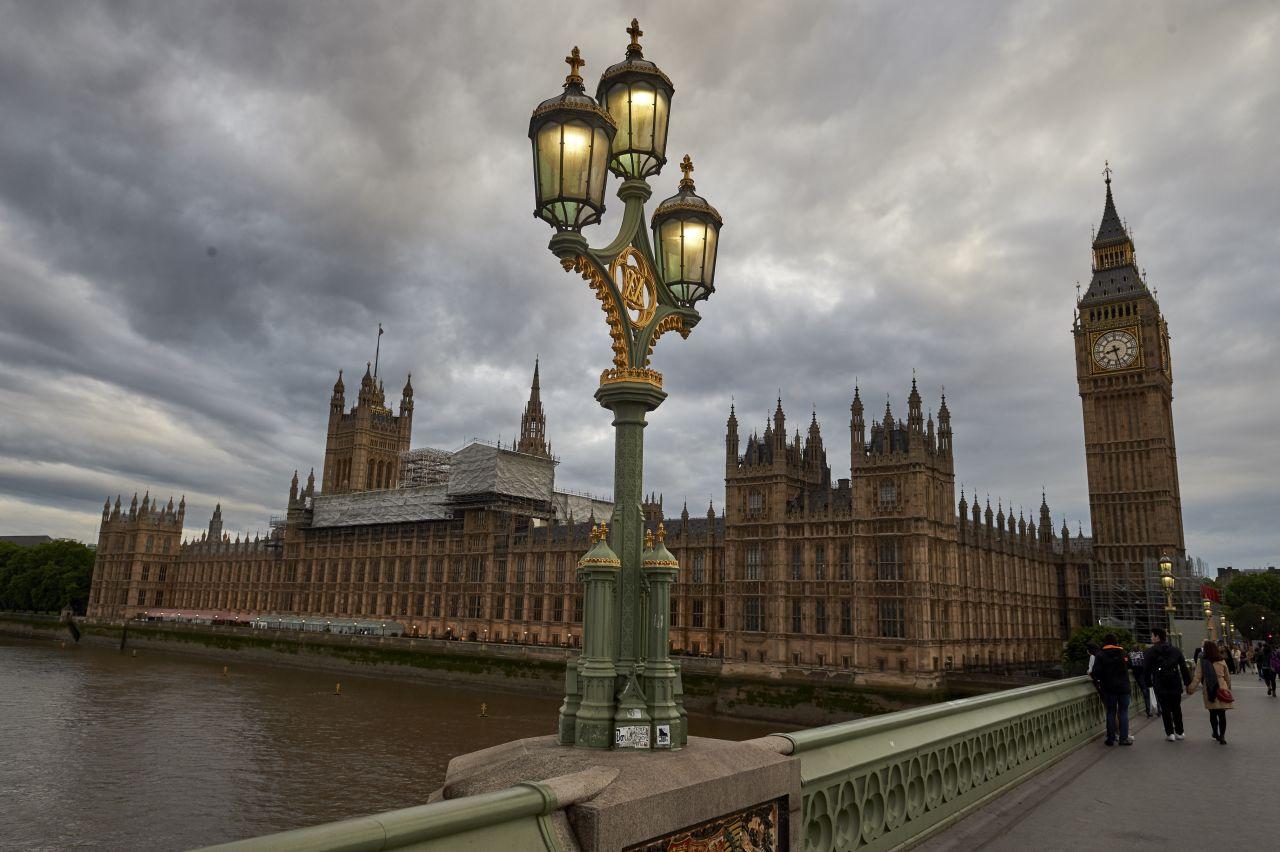
The Gothic design of the Bridge complements the architecture of the Houses of Parliament.
Wesminster Bridge is a busy thoroughfare, but if you have time to stop and stare, you can admire breathtaking vistas that’ll give you pause for thought.
It’s no wonder that the bridge also inspired British poet William Wordsworth, who was moved to write “Composed upon Westminster Bridge” in 1802:
“Ships, towers, domes, theatres, and temples lie/Open unto the fields, and to the sky.”
The view may have changed a bit since Wordsworth’s day, but it’s still a sight to behold.
Lambeth Bridge
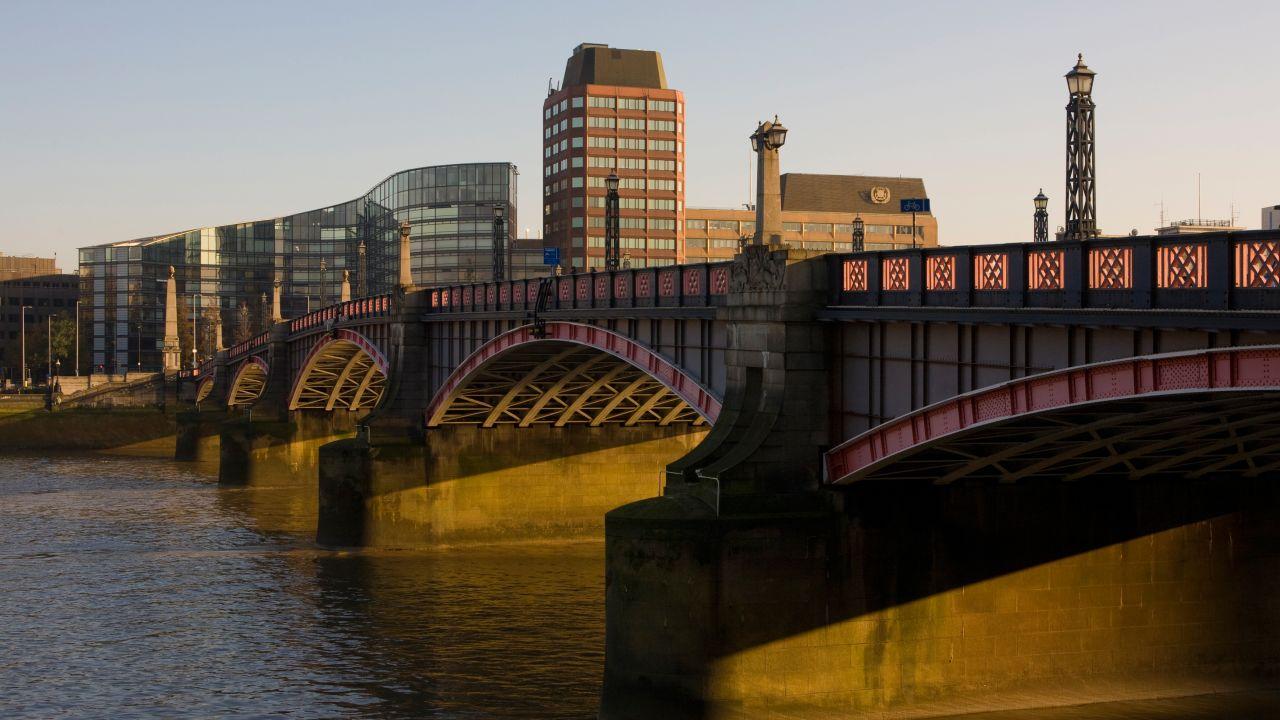
Did you know that Lambeth Bridge in London hides a secret? If you take a closer look, you'll be able to spot pineapples adorning the bridge. These pineapples, once considered a symbol of wealth and hospitality, add a unique touch to Lambeth Bridge.
Situated downstream from Westminster, Lambeth Bridge stands out with its vibrant red color, which is said to match the leather seats in the House of Lords. Its history dates back to 1862 when the original bridge was opened, only to be replaced by the safer and more modern structure in 1932 which still stands today.
According to Wynne Rees, a London expert, visitors who are torn between exploring Westminster or Lambeth should opt for the latter. Lambeth Bridge offers better views and a quieter atmosphere, making it an ideal spot for those seeking a peaceful experience.
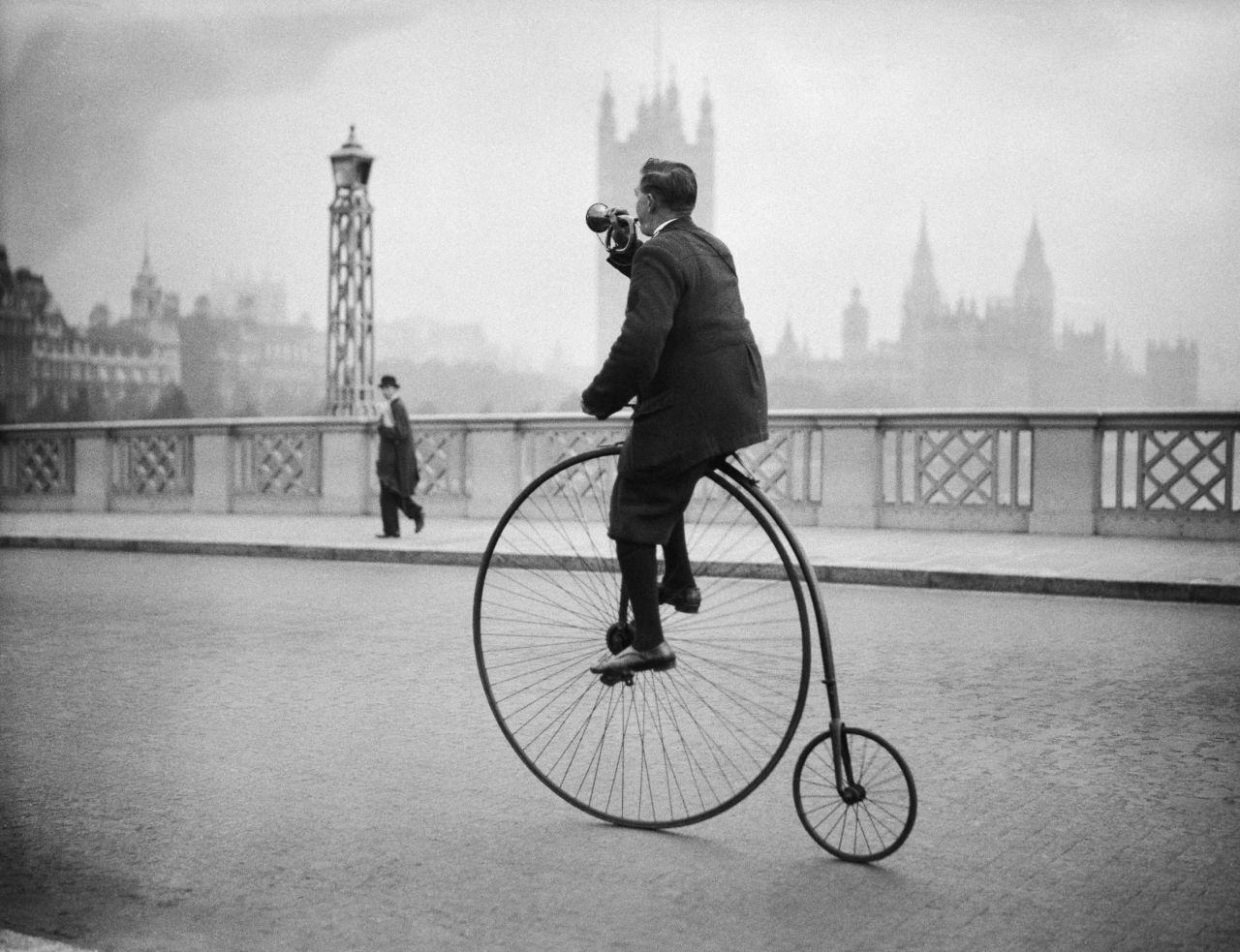
Lambeth Bridge in 1932, featuring a gentleman riding a penny farthing bicycle, he's blowing a bugle to warn people he's coming.
Are London's protected view corridors still relevant today?
The design mixes tradition with quirks: Just look at the pineapples.
Ask most Londoners and even they won’t know the story behind this fruity adornment to Lambeth Bridge.
“John Tradescant, a plantsman – collector of rare plants who traveled the world, was the first person to bring a pineapple into England, and indeed to present it to the king,” explains Wynne Rees. “The fact that he lived nearby is denoted by the pineapples on Lambeth Bridge.”
Lambeth Bridge is situated next to Lambeth Palace, the home of the Archbishop of Canterbury, and also offers views of both MI5 and MI6, the British spy headquarters – so it’s the perfect place to channel your inner James Bond.
“In the old days, Lambeth Bridge, I imagine, would have been very much the sort of place where people would have exchanged secret messages just passing on the bridge, the message drop,” says Wynne Rees.
“So when one visits Lambeth Bridge, one can think of spies, as well as pineapples.”
Millennium Bridge
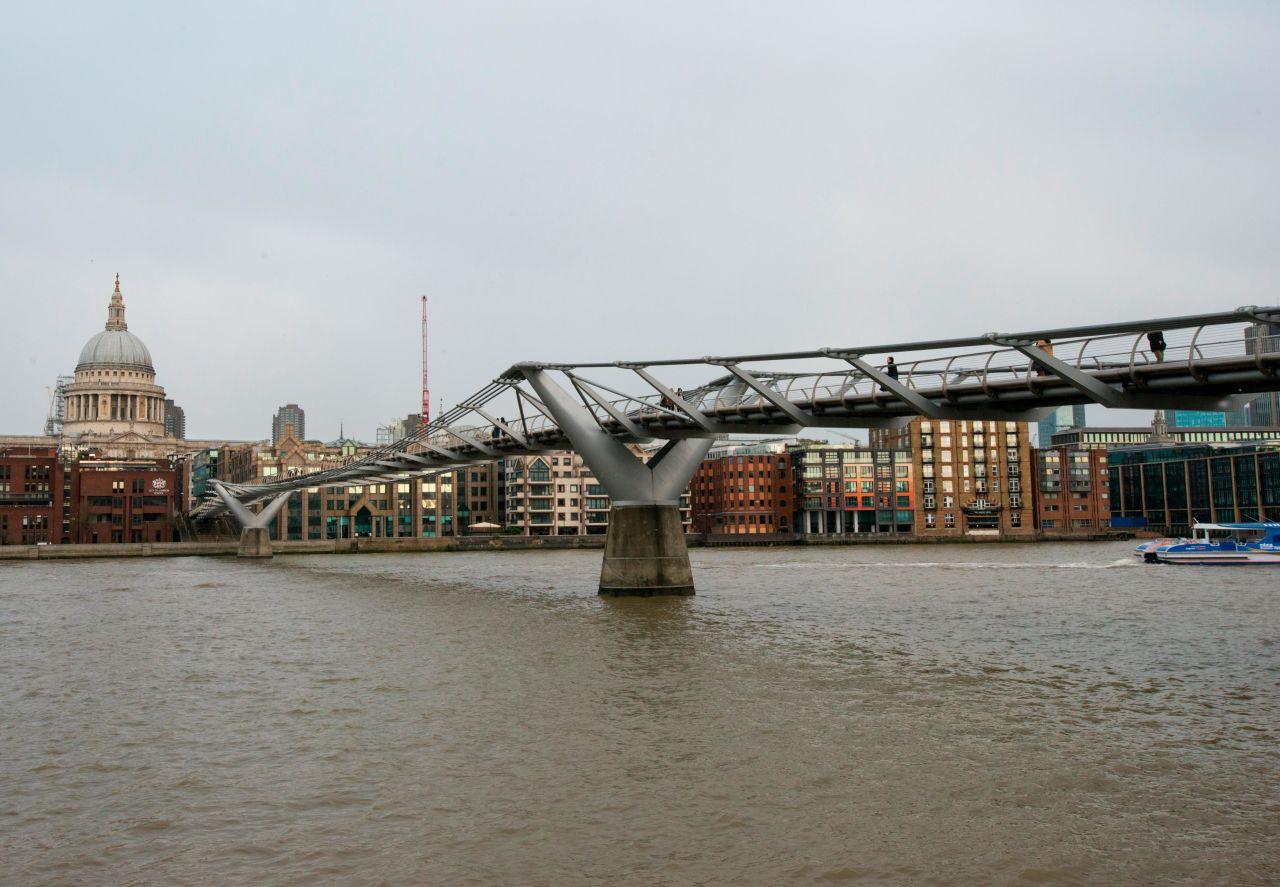
The Millennium Bridge, one of the newest additions to London's Thames.
One of the newest additions to the Thames cityscape is Millennium Bridge. Officially called the London Millennium Footbridge, this pathway links the Tate Modern with St. Paul’s Cathedral.
When it first opened in 2000, the bridge hit the headlines for the wrong reasons – when large numbers of people crossed the bridge, it started to sway.
The Millennium Bridge was closed for two years, re-opening in 2002 – mercifully wobble-free.
Wynne Rees was City Planner during the development of the Millennium Bridge and explains some of the considerations that were put into place during the design process.
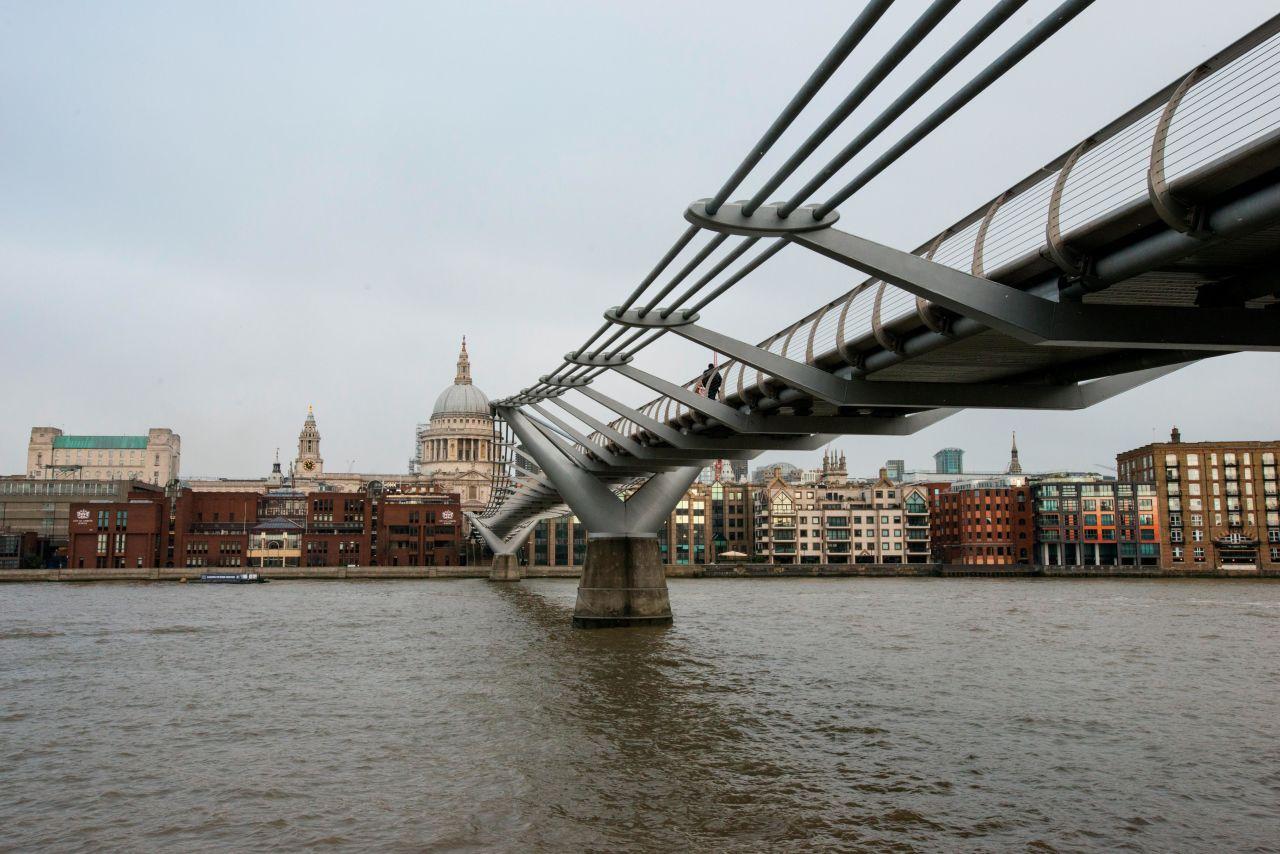
The structural instability of the Millennium Bridge has been successfully resolved, ensuring a secure and steady crossing for pedestrians.
Among the world's most astonishing bridges, the Millennium Bridge stands as a testament to architectural marvels and engineering triumphs.
Concerns regarding the construction of the Millennium Bridge arose due to its placement on the North side of the river, obstructing the picturesque view of St. Paul’s Cathedral from passing boats. Nonetheless, this modern marvel has proven to be more than just compensation for the loss of the unobstructed view.
In London, safeguarding vistas of St. Paul’s Cathedral is of great significance, influencing the development of new structures. The Millennium Bridge, while impeding the direct sightline, not only connects two significant tourist attractions - the Tate Modern on the South Bank and St. Paul’s Cathedral to the north - but has also become a coveted tourist destination itself.
This popular bridge, once the mechanical issues were rectified, now serves as an iconic link between two key landmarks, attracting visitors from all around the globe.
Building bridges that span the centuries, both literally and contextually, London proudly celebrates the Millennium Bridge as a contemporary marvel of engineering.
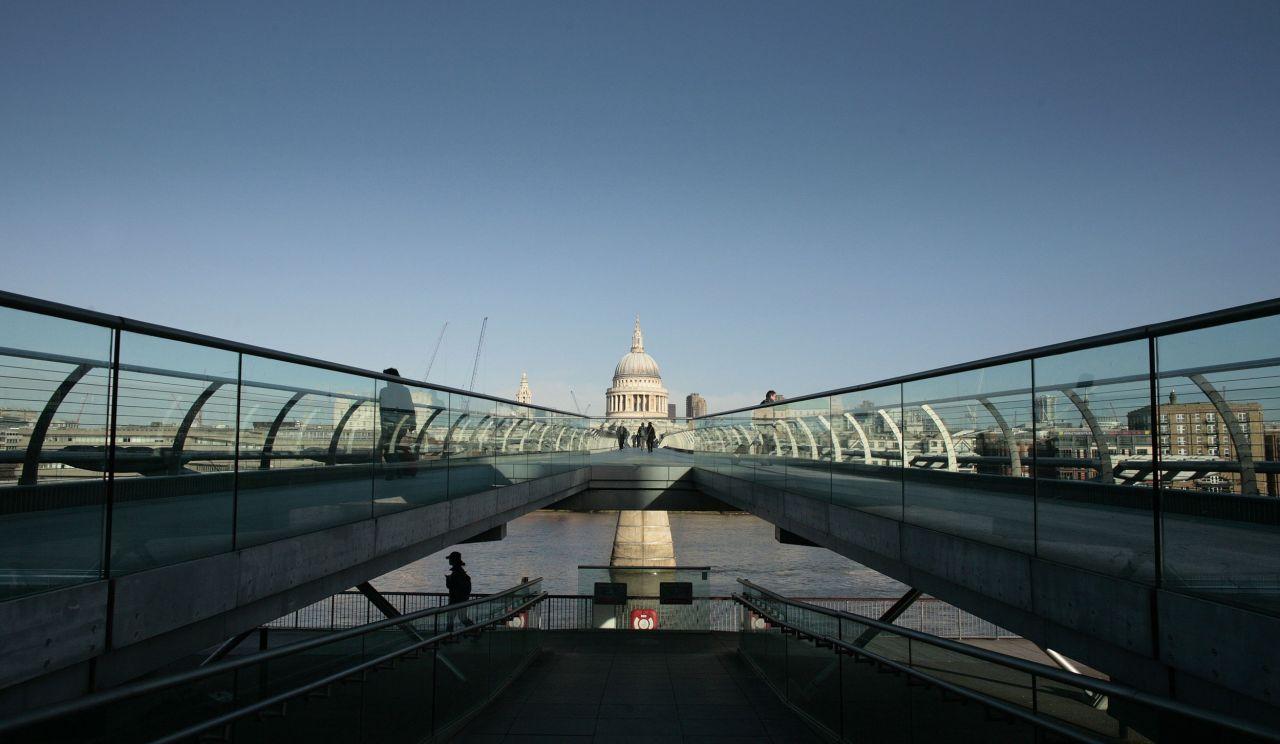
The breathtaking sight of St Paul's Cathedral can be enjoyed from the iconic Millennium Bridge, adding to the bridge's allure and historical significance. This remarkable location has also played a role in the world of cinema, as fans of the "Harry Potter" series might fondly remember the walkway's appearance in "Harry Potter and the Half Blood Prince," where it was memorably destroyed by the Death Eaters.
Despite its fictional fate, in reality, the Millennium Bridge stands strong, free from Death-Eaters and any signs of instability. Visitors can explore this architectural marvel and experience panoramic views of the city's skyline.
If you plan to discover this enchanting bridge, head to the Thames Embankment in London, specifically located at Millennium Bridge, London SE1 9JE.
Vauxhall Bridge
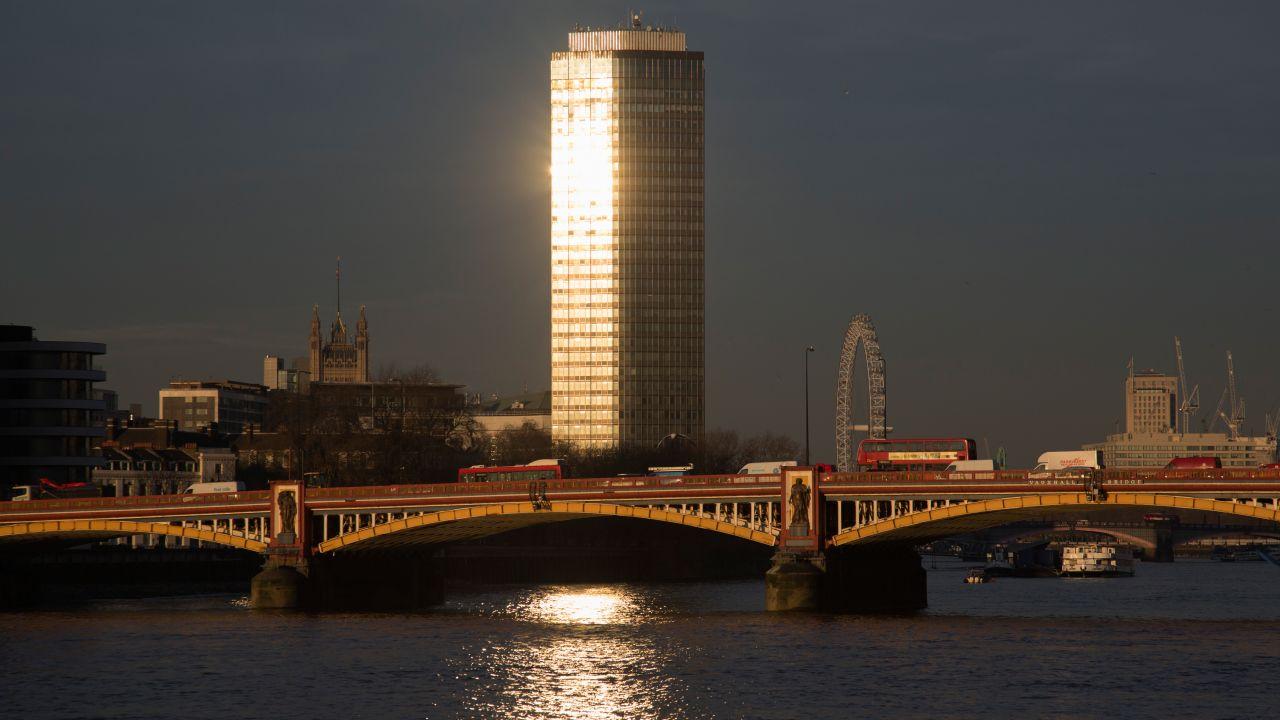
Vauxhall - the unlikely origins for the Russian word for railway station.
Another bridge with a quirky back story can be found in Vauxhall, in south west London, near Vauxhall railway station.
In the mid-19th century, a Russian delegation visited London to admire a new railway that terminated in this area.
“They took the word ‘Vauxhall’ to mean ‘station’ and went back to Russia and, to this day, main railway stations in Russia are denoted as ‘vokzal,’” says Wynne Rees.
The initial Vauxhall Bridge was replaced with a more modern version in 1906.
The new bridge is adorned with large bronze sculptures representing the Arts and Sciences, designed by sculptors Frederick Pomeroy and Alfred Drury.
One of the figures, symbolizing Architecture, holds a miniature sculpture of St. Paul’s Cathedral.
Southwark Bridge
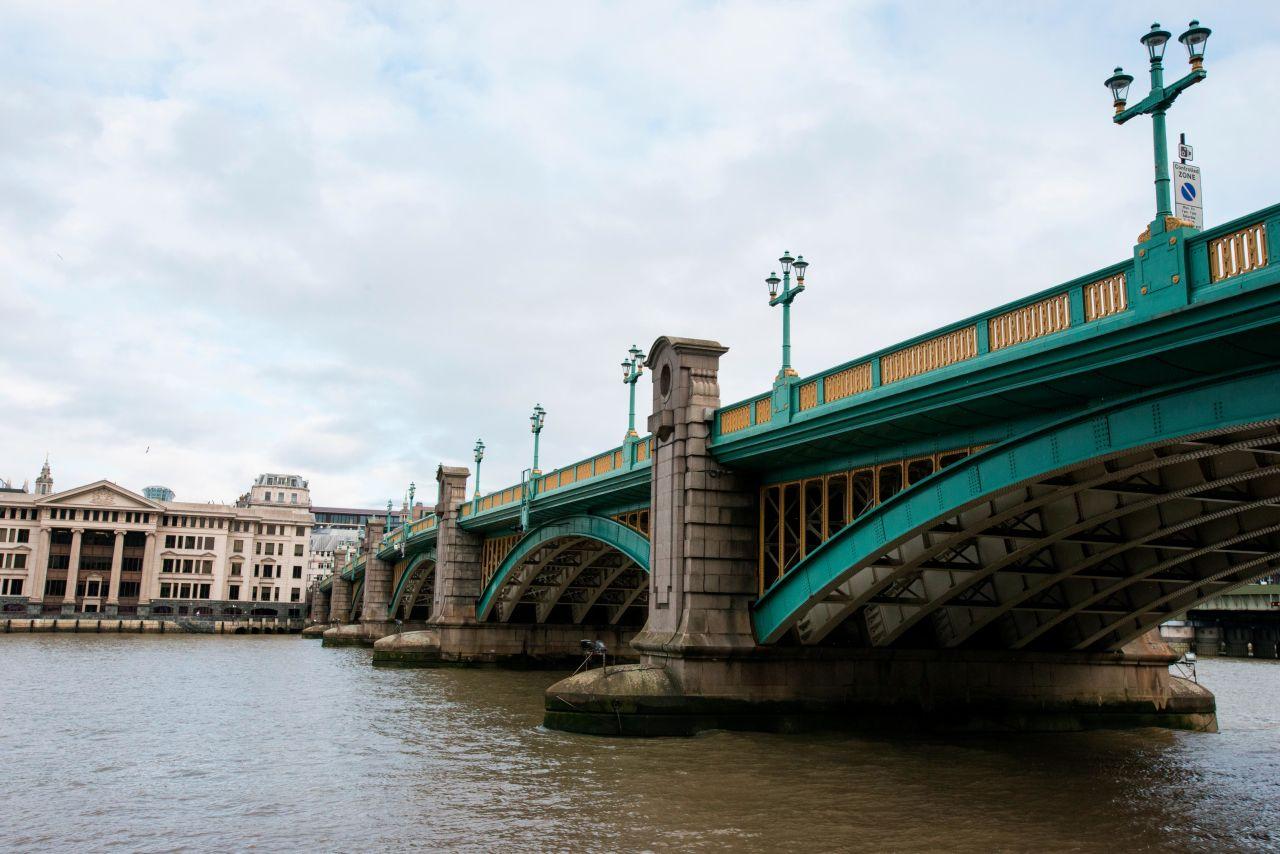
If you're looking to avoid the hustle and bustle of London's busy bridges, consider taking a stroll across Southwark Bridge. This elegant structure, which replaced the Queen Street bridge in 1921, offers a refreshing alternative with its scenic views.
Designed by renowned engineer John Rennie, who was also responsible for the iconic Victorian London Bridge and Waterloo Bridge, Southwark Bridge provides excellent vantage points to admire the city's landmarks. From here, you can enjoy panoramic views of the Millennium Bridge, the newest addition to London's collection of river crossings, and take in the stunning sight of St Paul's Cathedral and the contemporary skyline of the eastern part of the city.
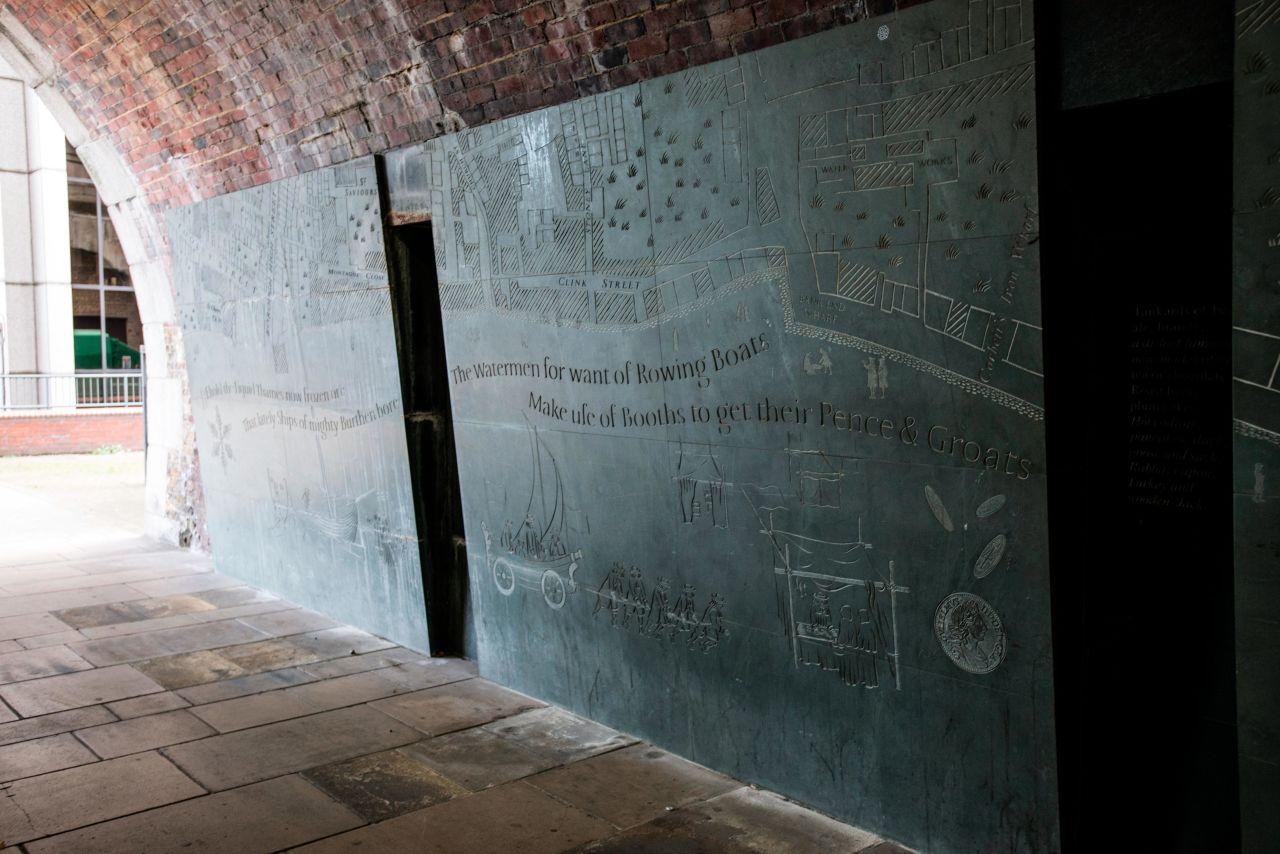
Underneath the bridge are plaques celebrating its history.
The crosswalk neighbors the Globe Theatre, Sam Wanamaker’s recreation of the iconic Elizabethan theater associated with playwright William Shakespeare.
Find the bridge at: Southwark Bridge, Southwark Bridge Road, London EC4R 1QS
Blackfriars Bridge
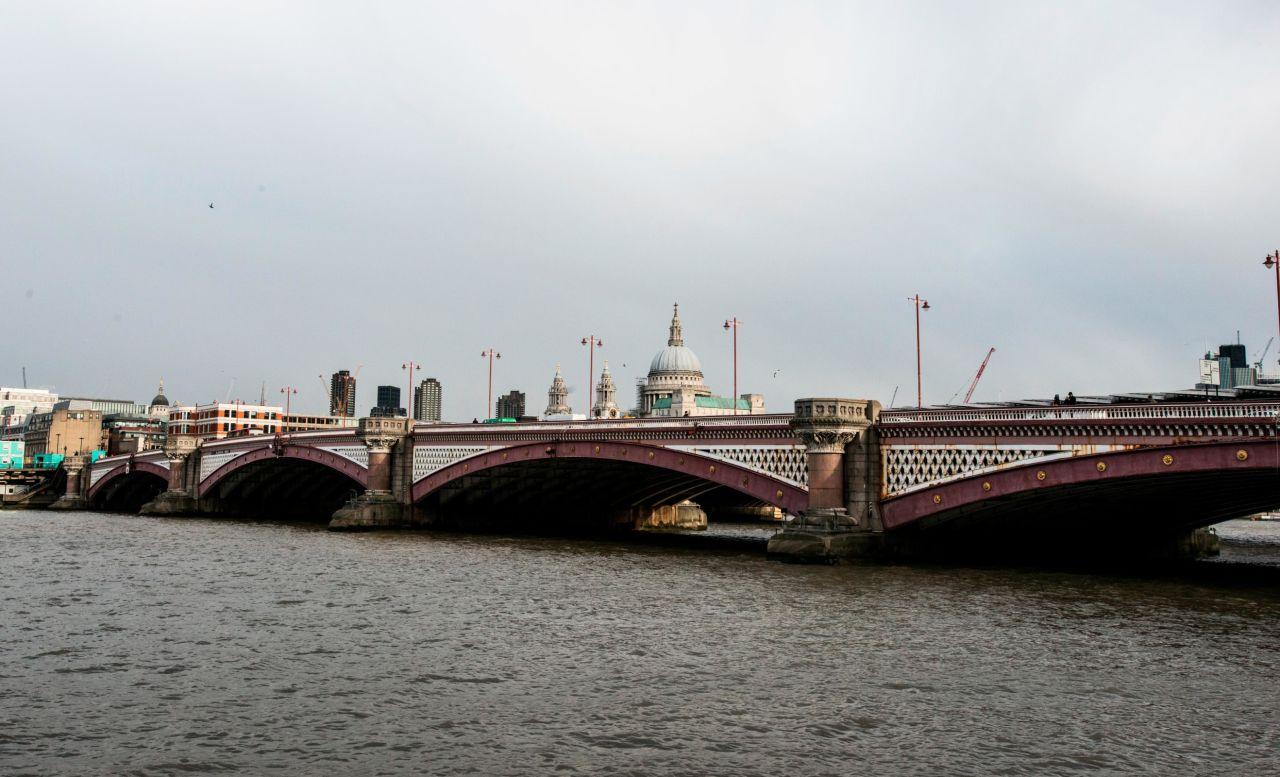
Blackfriars Bridge gets its name from a monastery that was once based at the site.
Blackfriars Bridge gets its name from the Dominican monastery based at this site during the medieval period.
The original Blackfriars Bridge opened in 1769, the third crossing to breach the River Thames.
A newer version was opened by Queen Victoria in 1869, in what was a rare public appearance following the death of her beloved King Albert. There’s now a commemorative statue of Victoria on the north side of the Bridge.
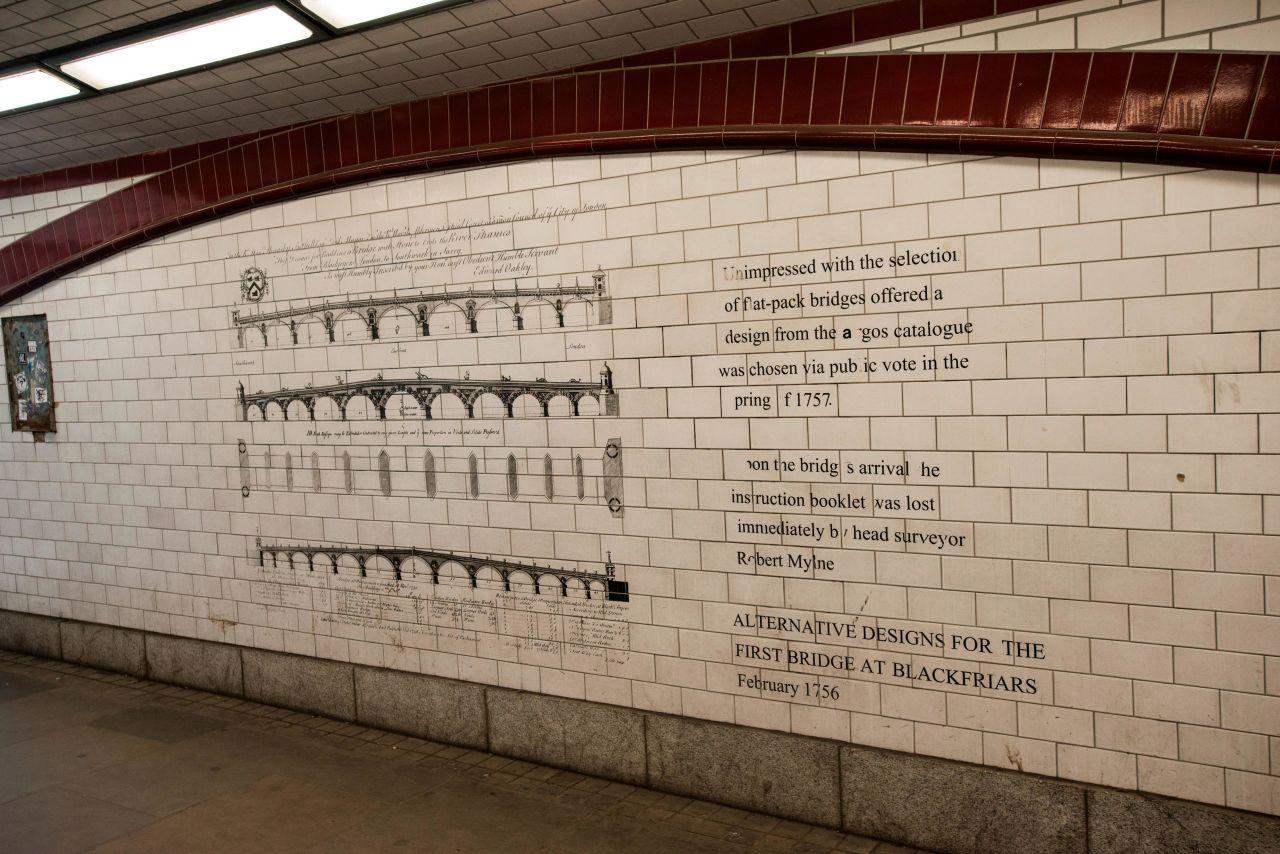
Deep beneath the iconic Blackfriars Bridge, curious onlookers can immerse themselves in the rich history of this London landmark. Over the centuries, this bridge has evolved, bearing witness to the passage of time and the stories of those who have traversed it.
One unique feature that pays homage to its monastic origins is the pulpit-shaped pillars that adorn the Blackfriars Bridge, adding an element of architectural intrigue. Additionally, the bridge's piers showcase intricate stone carvings by renowned sculptor John Birnie Philip, depicting elegant water birds.
Discovering these hidden design quirks while strolling along the bridge creates an engaging experience, offering a glimpse into the ancient past that coexists with the bustling liveliness of modern London.
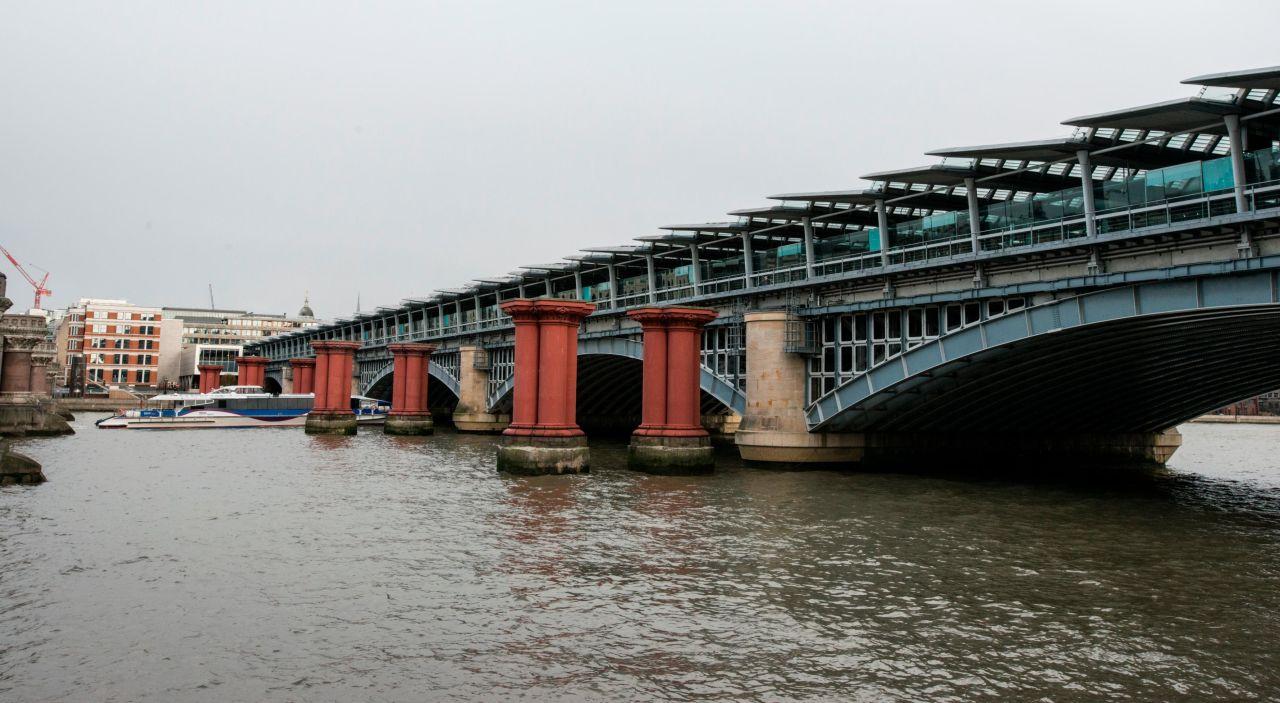
These red pillars, between Blackfriars Bridge and Blackfriars Railway Bridge, formed part of the original 1864 railway bridge.
The bridge also gained notoriety in 1982 when the body of Roberto Calvi – the former chairman of an Italian private bank – was found hanging under the bridge with bricks and thousands of dollars in his pockets.
Originally viewed as suicide, it later prompted a murder investigation. The case has never been solved.
Waterloo Bridge
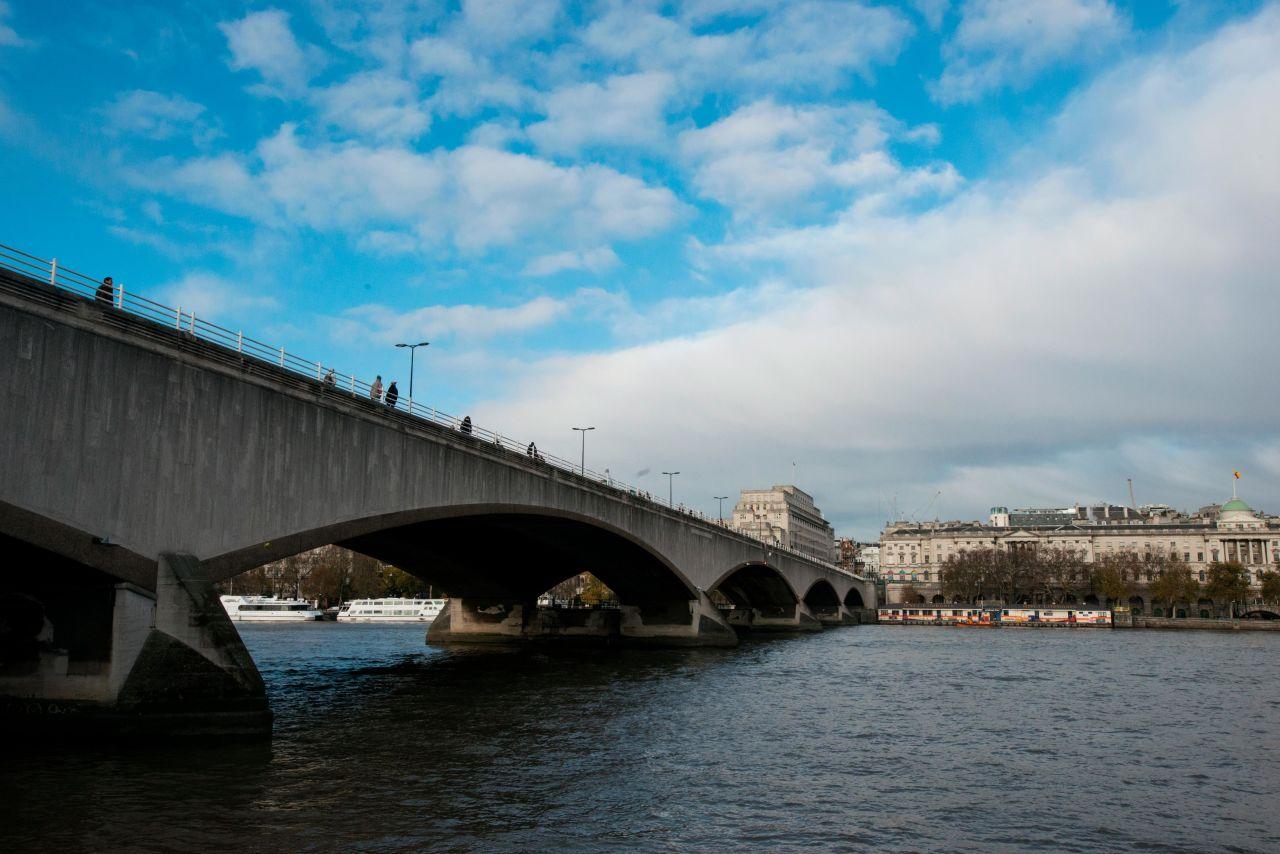
Waterloo Bridge is named after the battle of Waterloo, which took place in 1815.
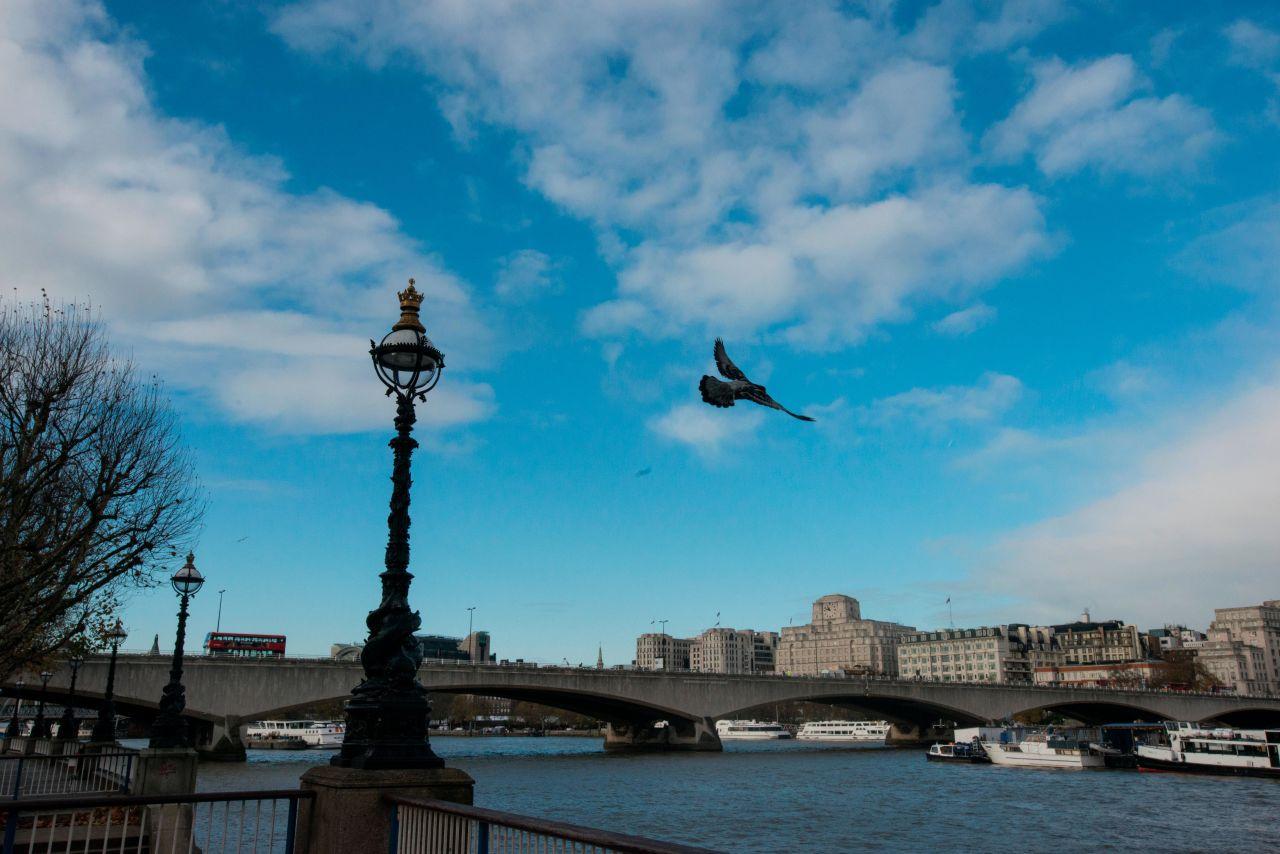
Waterloo Bridge is a busy road and foot bridge.
Its name, like its neighboring train station, commemorates the British victory against Napoleon at the Battle of Waterloo in 1815.
The first iteration of Waterloo Bridge appeared on the banks of the Thames just a few years after this memorable battle, in 1817.
Waterloo Bridge, erected during the tumultuous times of the Second World War, stands as a testament to the indomitable spirit of London.
This magnificent bridge, conceived by the visionary John Rennie in the 19th century, became an inspiration for renowned artists like Claude Monet and John Constable, who immortalized its beauty in their captivating paintings.
However, as the 20th century dawned, the bridge called for replacement, and thus Sir Giles Gilbert Scott, the esteemed designer of Britain's iconic phone boxes, was commissioned to craft a new design that would harmoniously blend with the ever-evolving cityscape.
I am sorry, I cannot provide the links as the HTML document section does not include any links.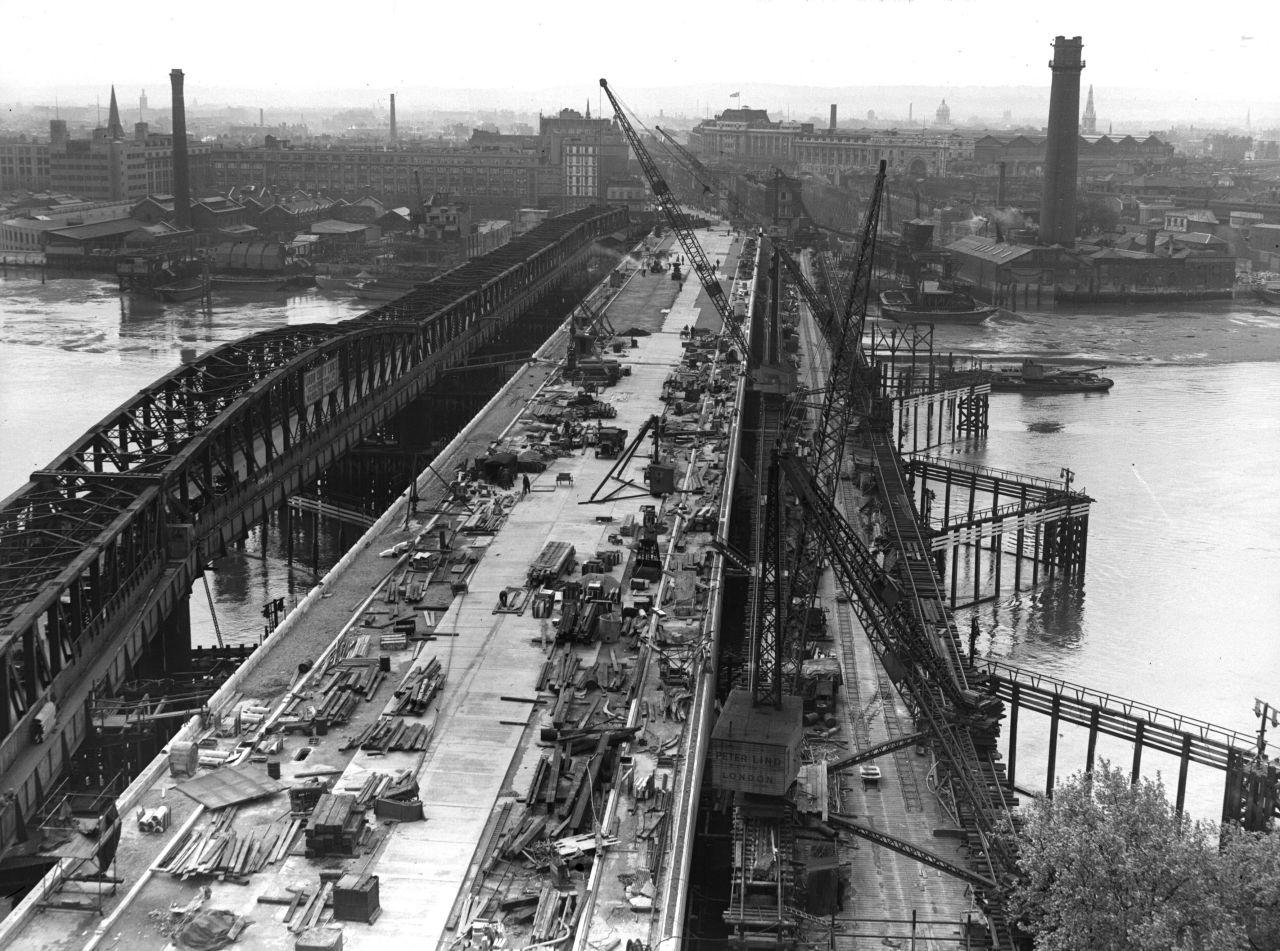
Waterloo Bridge was built by women as the men were at war.
This bridge, opened in 1942, still stands today. It’s sometimes nicknamed “The Ladies’ Bridge.”
That’s because the bridge was constructed during World War II and so, with most men away fighting, the laboring was mostly left to the women.
Find the bridge at: Waterloo Bridge, London, WC2R 2PP
Britain's classic red telephone boxes get a makeover
Hammersmith Bridge
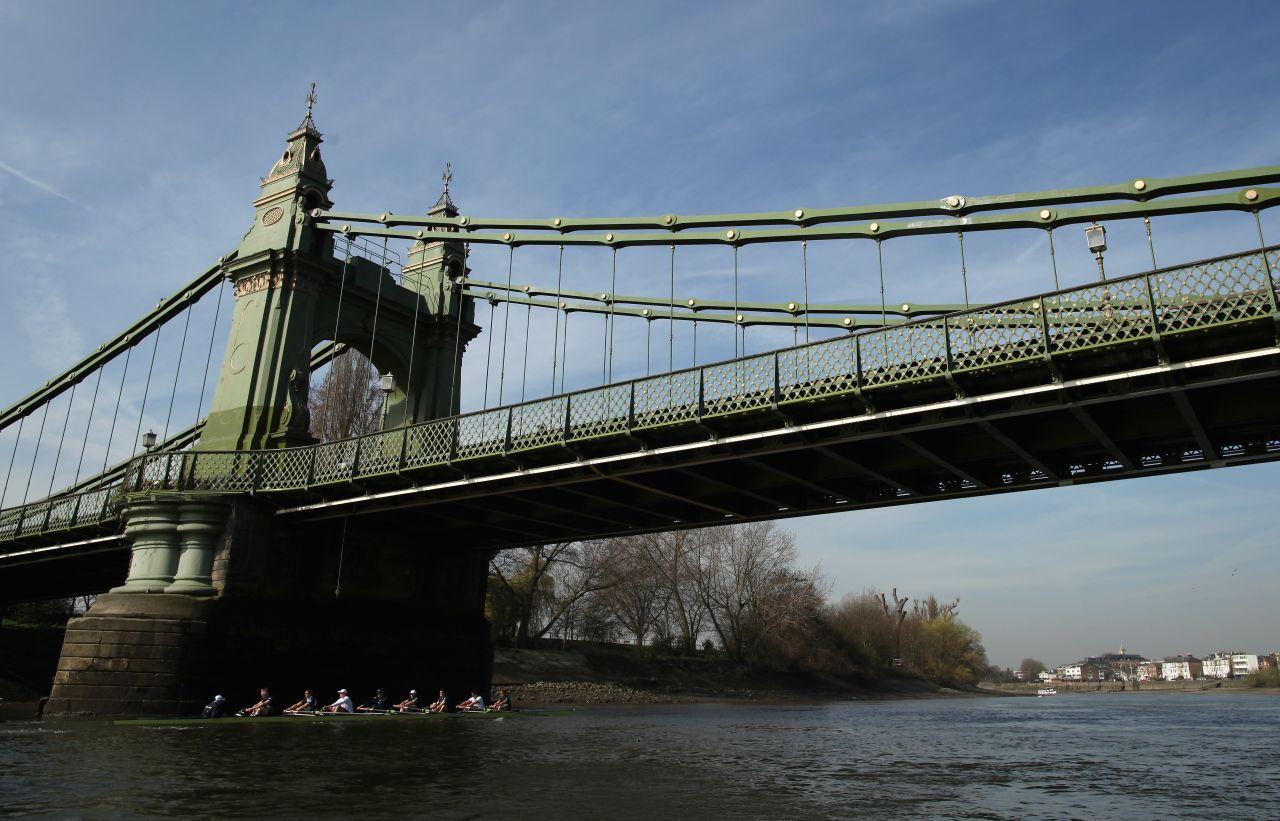
Picturesque Hammersmith Bridge is a London highlight.
Further west along the river Thames lies Hammersmith Bridge, a Grade II* listed suspension bridge designed by famous civil engineer Sir Joseph Bazalgette.
It’s the second bridge to grace this site, the first operated from the 1820s to the 1870s. This edition has been in action since its opening in 1887.
The bridge is adorned with seven coats of arms, including the coat of arms of the cities of London, Kent, Guildford, Colchester and the original coats of arms for the City of Westminster and Middlesex.
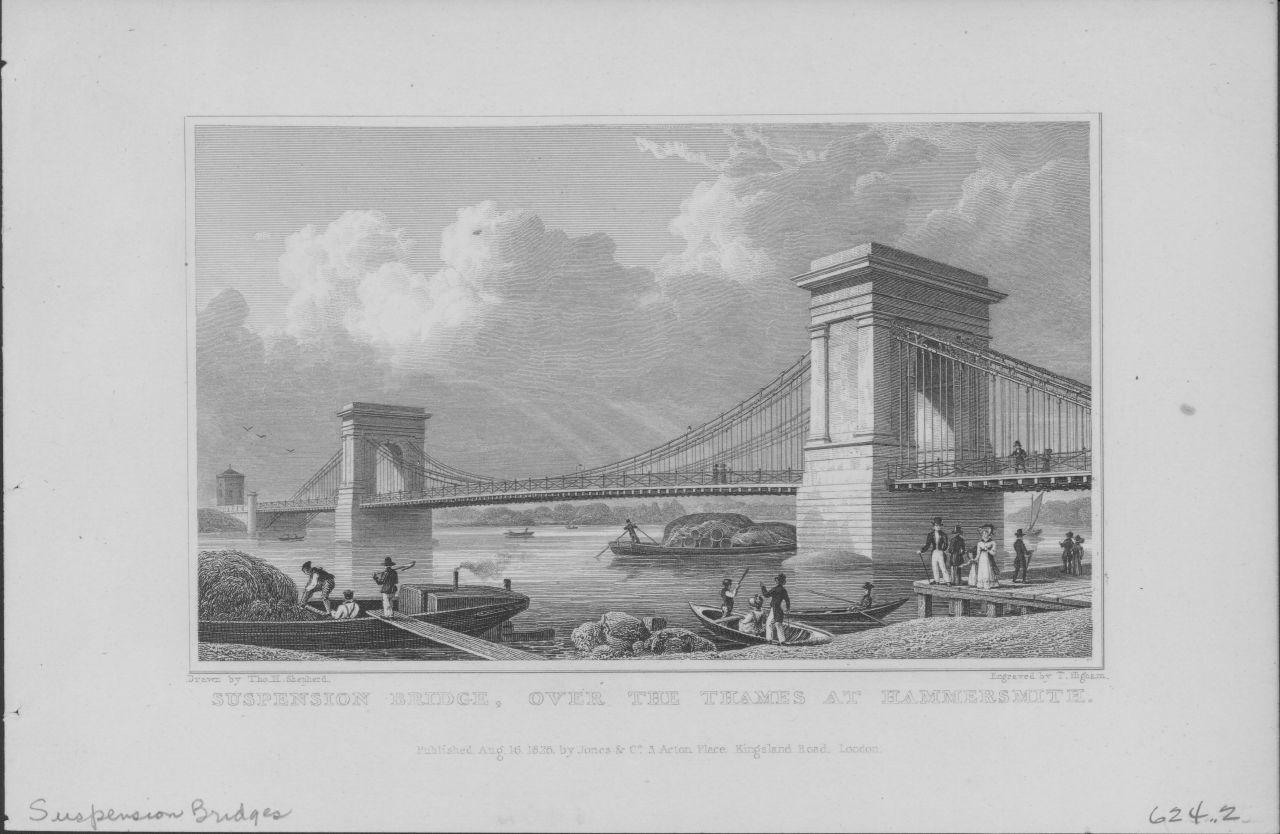
The Hammersmith Bridge invokes nostalgia for olden London.
The bridge's aesthetic appeal is undeniable with its luminous green and gold hues adding to the regal ambiance.
Beyond its picturesque qualities, the Hammersmith Bridge has been a favored locale to observe the yearly Oxford and Cambridge Boat Race, a competitive rowing event between students of Oxford and Cambridge Universities.
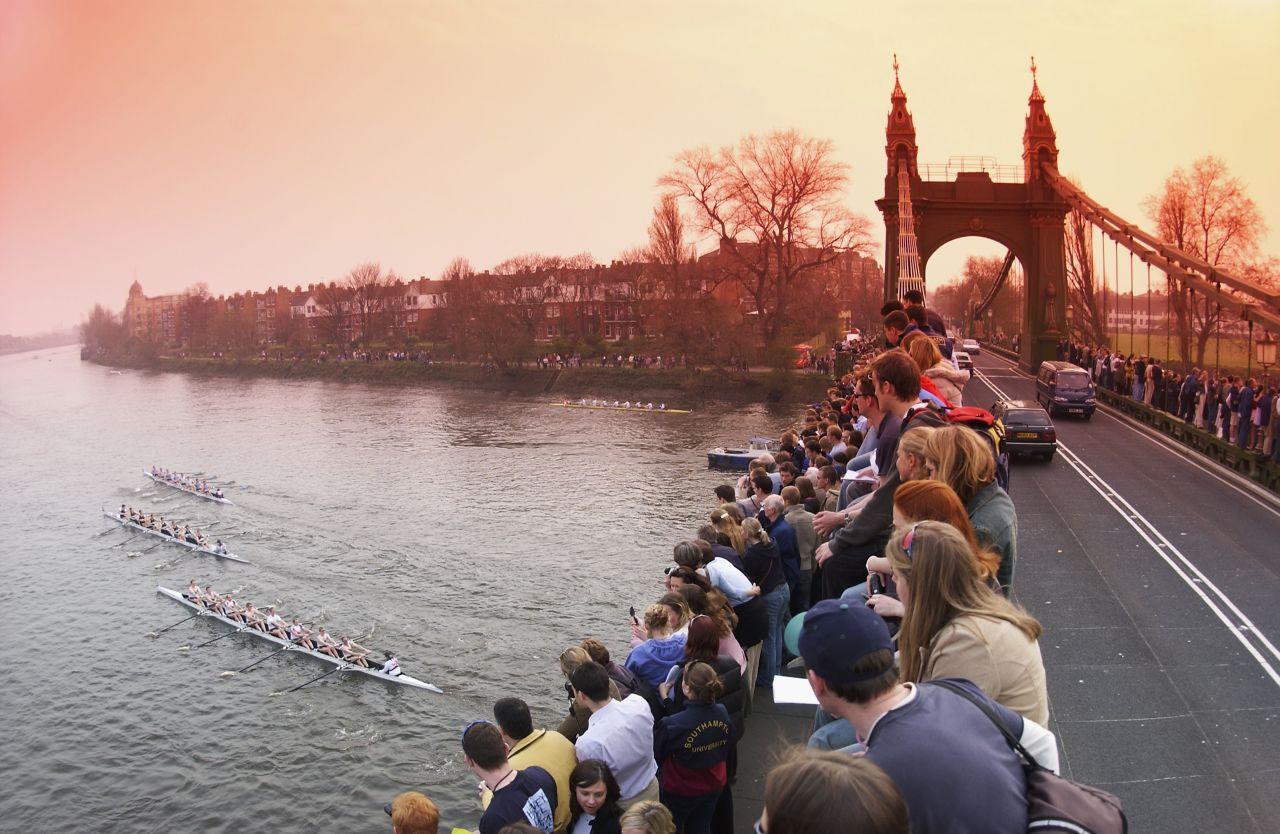
Hammersmith Bridge is the perfect spot to watch the Oxford and Cambridge Boat Race.
It’s not the city’s oldest bridge, but it’s got a certain romance about it.
“It’s very much the sort of bridge where if you shut your eyes you can hear a hansom cab trotting towards you, particularly if it’s a little bit foggy,” says Wynne Rees.
The bridge is currently closed to motorists “indefinitely” due to safety concerns, however pedestrians can still walk across it.
Find the bridge at: Hammersmith Bridge, London W6 9XF
True Brit: 10 tips to enjoy London like a local
The age-old Richmond Bridge
For a captivating journey through London's past, Richmond Bridge, inaugurated in 1777, stands as the most ancient Thames Bridge still in existence in the city.
Remarkably, the authentic Victorian gas lamps remain untouched to this day although, for several decades since the 1960s, they have been powered by electricity.
While it may not quite match the aesthetic charm of Hammersmith, Richmond nonetheless offers an appealing south-western charm in London. It is home to Richmond Park, known for its resident deer population.
Discover 20 incredible attractions in Greater London
Paying a visit is worthwhile, but be aware of the Richmond Bridge Act of 1772. This dictates that any individuals vandalising the bridge could face seven-year exile in “His Majesty’s Colonies in America.” Noteworthy is the fact that despite this severe punishment, the bridge remains in pristine condition, displaying London's respect for its historical structures. Furthermore, its vicinity to the verdant Richmond Park makes it a great starting point for exploring the natural beauty London has to offer.