A fascinating meeting point between East and West, Istanbul boasts a rich architectural and artistic heritage. Its strategic location has attracted many armies of conquerors over the centuries who have left numerous testimonies of their presence, while the Ottomans launched an ambitious building programme. The sumptuously decorated imperial mosques that ensued today together form one of the most extraordinary urban profiles in the world. Add to this the ferment of contemporary art and a varied and mouth-watering gastronomic scene, and you have a lot to see in four days. Better hit the road.
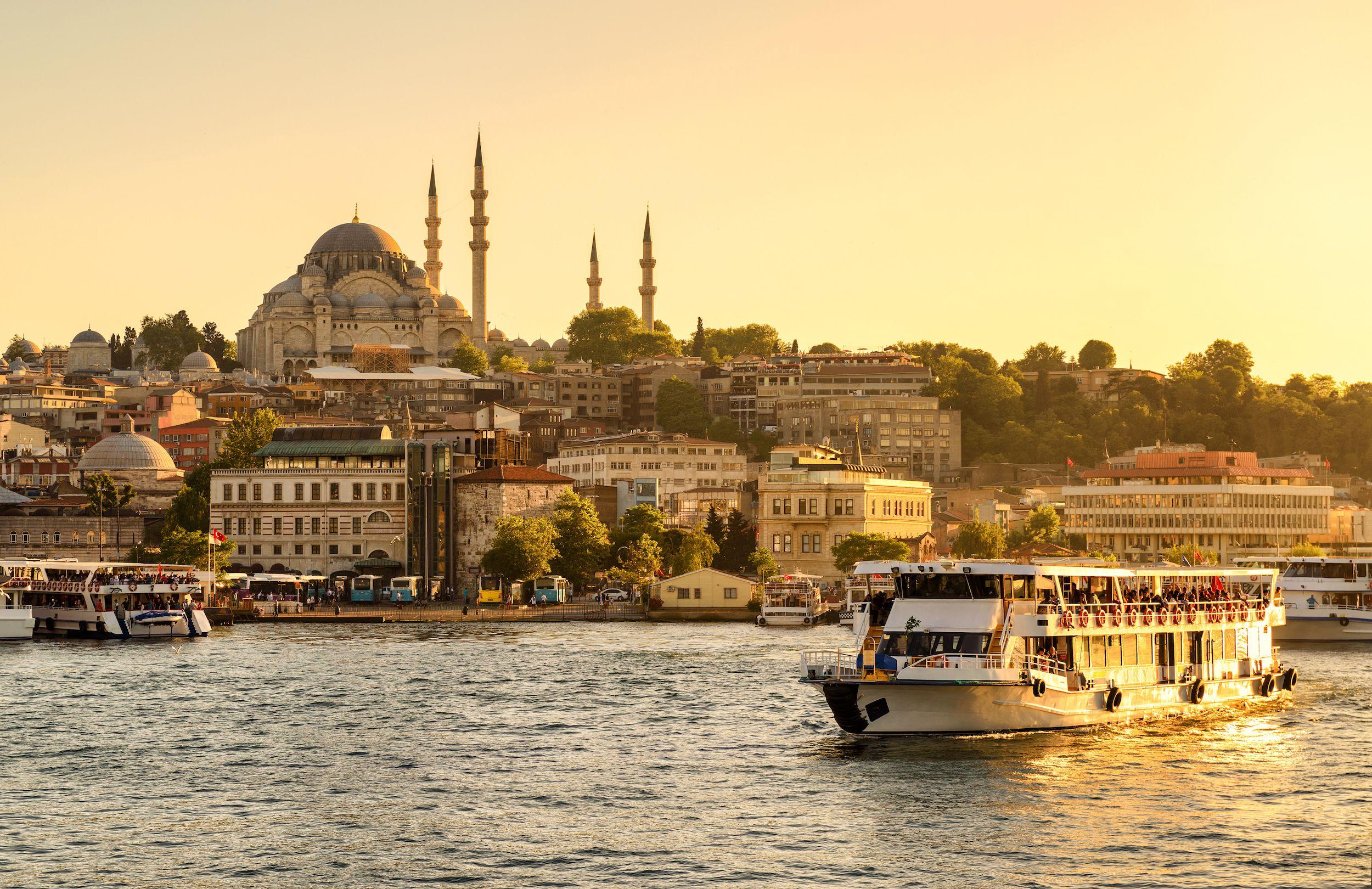
On the Bosphorus at sunset ©Viacheslav Lopatin/Shutterstock
Day One
Drive to Aya Sofya Meydanı and decide which museums and mosques in the area you want to visit. Among the many attractions not to be missed, make a note of these gems in the Sultanahmet district.
Aya Sofya
Istanbul has many important monuments, but this venerable structure - built by the Byzantine emperor Justinian and consecrated as a church in 537, converted into a mosque by Mehmet II the Conqueror in 1453 and turned into a museum by Atatürk in 1935 - stands out above all others for its innovative architecture, rich history, religious importance and extraordinary beauty.
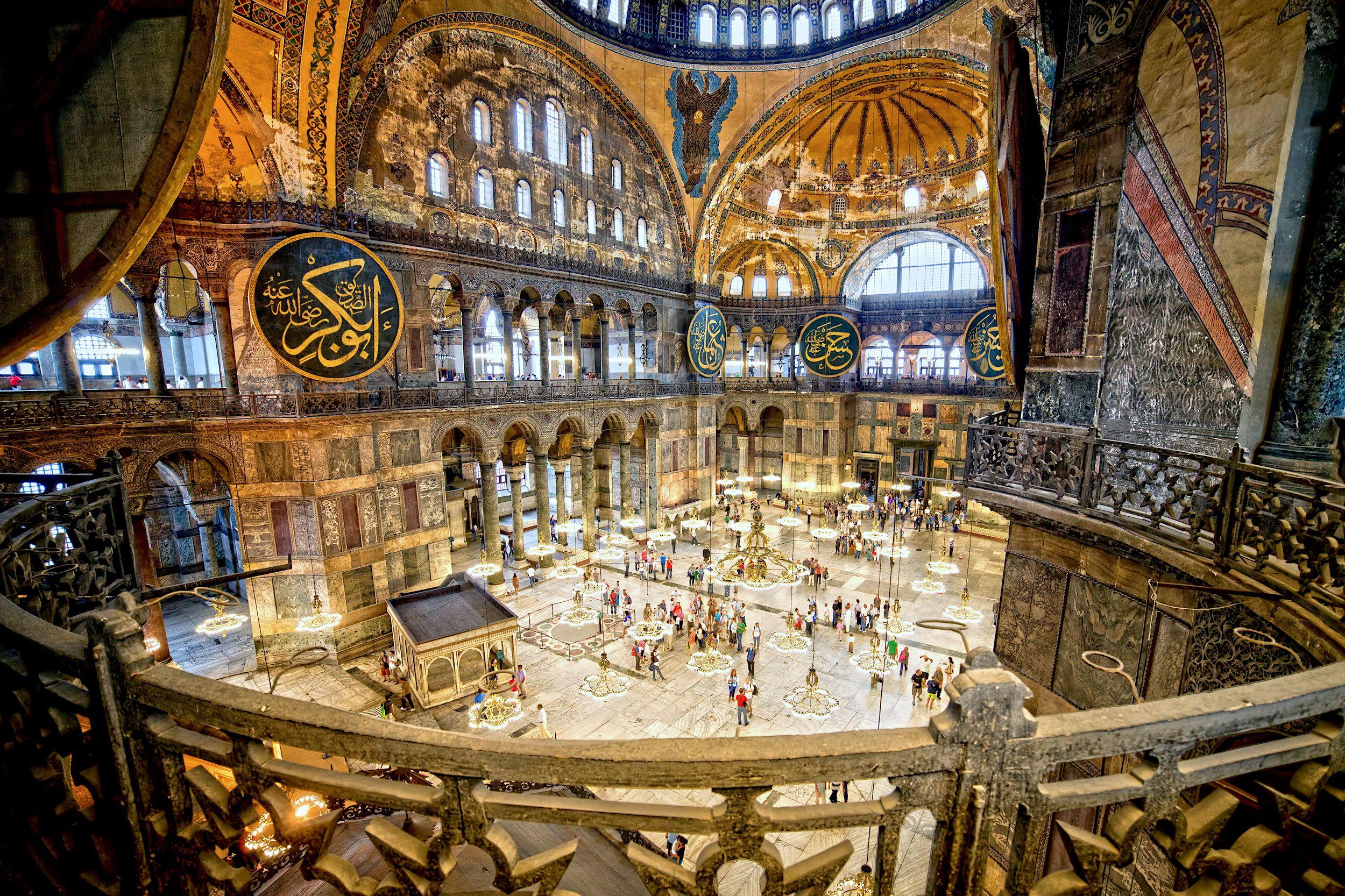
Aya Sofya ©Artur Bogacki/Shutterstock
Blue Mosque
Istanbul's most photogenic building is due to the grandiose design of Sultan Ahmet I (r. 1603-17), whose türbe (tomb) is located on the north side facing Sultanahmet Park. The mosque has a wonderful curved exterior, a cascade of domes and six soaring minarets. The thousands of İznik blue ceramics that adorn the interior give the building its unofficial but commonly used name of Blue Mosque.
Basilica Cistern
This underground structure built by Justinian in 532 is the largest Byzantine-era cistern still standing in Istanbul. Many of its 336 columns topped with exquisite carved capitals were salvaged from ruined temples. The structure has an extraordinary symmetry and grandeur of design, while the vast underground environment offers pleasant coolness on hot summer days.
At lunchtime explore the cheap restaurants on Hocapaşa Sokak in Sirkeci then get off the tourist trail and visit some of Sultanahmet's hidden gems by following our walking itinerary.
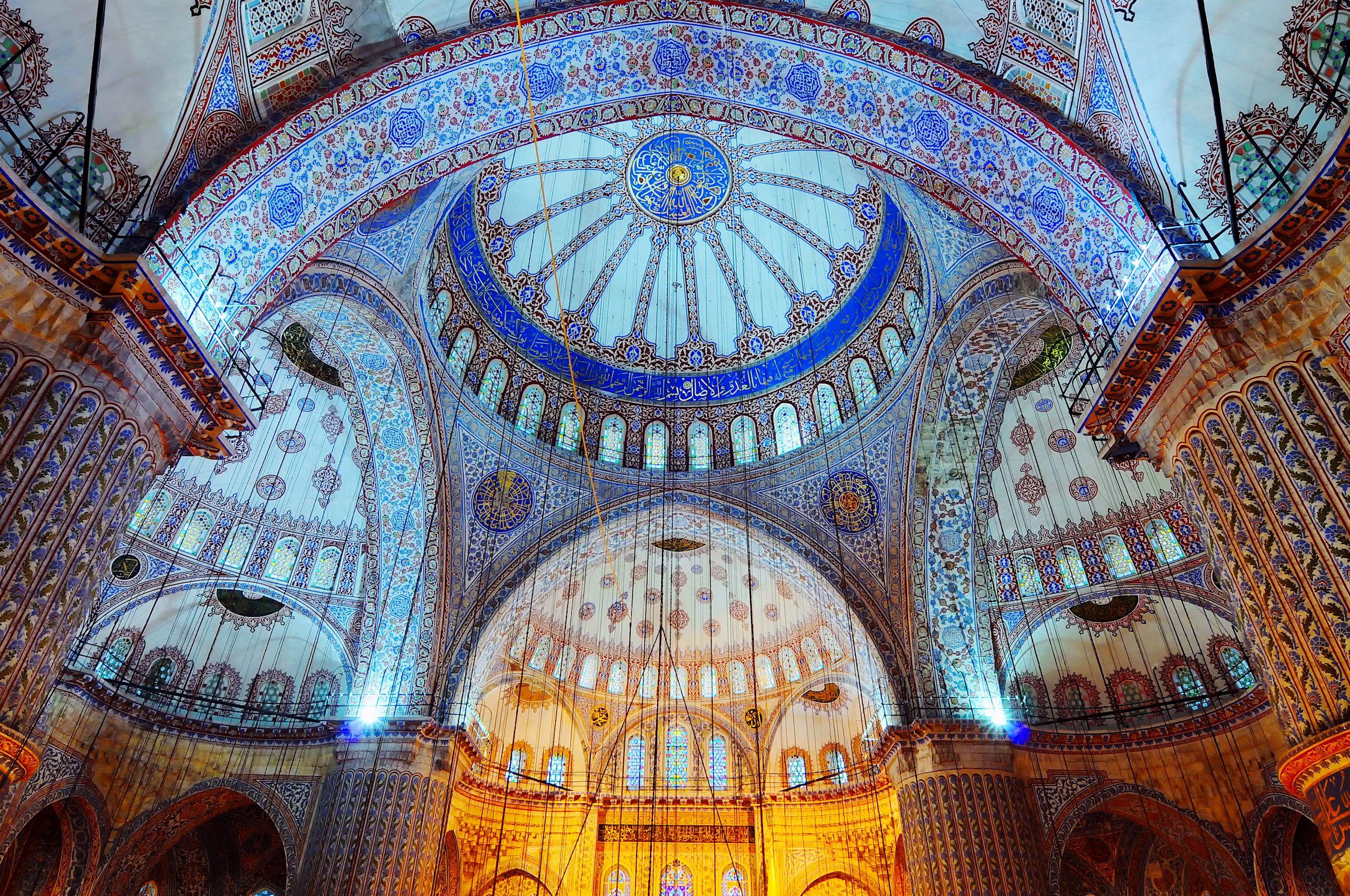
The interior of the Blue Mosque ©NORTHERN IMAGERY/Shutterstock
Set off from Aya Sofya Meydanı and visit the Tombs of Aya Sofya. After admiring their splendid interior decorations, continue to the Sultan Ahmet III Fountain outside Topkapı Palace, which in Ottoman times distributed fresh water and şerbet (sweet drink) to thirsty travellers. Turn left into the cobbled Soğukçeşme Sokak and then left again into Caferiye Sokak to visit Caferağa Medresesi, where you can sip tea after admiring the elegant building designed by Sinan. Return to Caferiye Sk and continue to the junction with the busy Alemdar Caddesi, then walk along Sultanahamet Park to the Hippodrome, where chariot races were held in Byzantine times. Walk along Şehit Mehmet Paşa Yokuşu and continue along Katip Sinan Cami Sokak to Sokollu Mehmet Paşa Camii, on the left. After admiring the İznik ceramics, turn left into Şehit Çeşmesi Sokak to enter the residential district of Küçük Ayasofya. When you reach a narrow, busy street (Kadırga Limanı Caddesi), turn left and you will reach the Çardaklı Hamam. Turn right and you will see the Little Aya Sofya, among the most beautiful Byzantine buildings in the city. Continue along Küçük Ayasofya Caddesi in an easterly direction and turn left into Aksakal Caddesi going up the hill. At the top is the Sfendone, originally the southern end of the Hippodrome. Opposite you will see a large carpet shop called Nakkaş: go inside and ask a clerk to show you the restored Byzantine cistern in the basement. Continue along Nakilbent Sokak and turn right, walk along Şifa Hamamı Sokak, turn left into Küçük Ayasofya Caddesi and go straight to Arasta Bazaar, Sultanahmet's main shopping area, where you can go in search of souvenirs.
Grab an early dinner, then head to Sirkeci to watch a performance by the whirling dervishes at the Hocapaşa Cultural Centre, housed in a 15th-century hammam. Alternatively, grab a table at Derviş Aile Çay Bahçesi or Cafe Meşale, where you can have tea, smoke a hookah and watch a free (but very touristy) performance by the whirling dervishes.
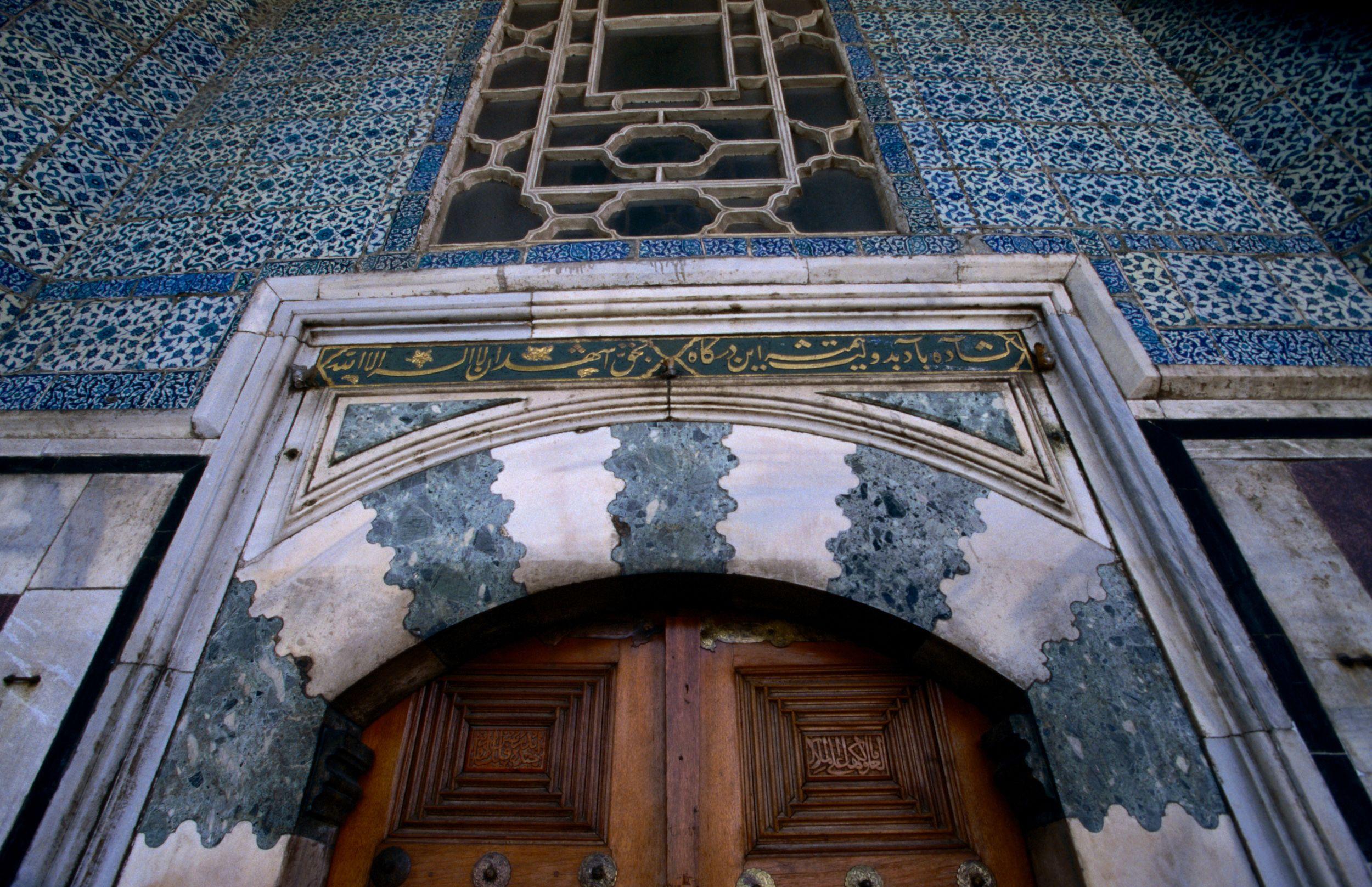
Topkapi Palace, Istanbul ©Phil Weymouth/Lonely Planet
Sign up for our newsletter! For you weekly travel tips, special offers, stories from around the world and 30% discount on your first order.
Second day
The time has come to learn about the lifestyle of the sultans at Topkapı Palace. The Topkapı was the scene of incredible events, which stimulate the imagination of visitors. Between the 15th and 19th centuries, when the palace was the seat of the Ottoman Empire, lustful sultans, ambitious courtiers, beautiful concubines and eunuchs engaged in court plots lived in the halls of the complex. By visiting the sumptuous pavilions, the Treasury of Jewels and the vast Harem, you will gain an insight into how the sultans and their families spent their days.
You will need half a day to explore the Harem, admire the precious objects in the Treasury and stroll through the various pavilions of the complex.
After lunch, explore the streets, cafés and boutiques of Galatae Çukurcuma, perhaps popping into Orhan Pamuk's nostalgic Museum of Innocence. The scrupulous attention to detail that characterises this museum/conceptual artwork will allow any amateur psychologist to formulate a few theories about its creator, Nobel Prize-winning novelist Orhan Pamuk. The showcases display a bizarre collection of objects that evoke daily life in Istanbul in the second half of the 20th century, the period in which the writer's novel of the same name is set.
After a full day of sightseeing, why not enjoy a relaxing moment after dinner soaking in the steam of an Ottoman-era hammam?

Spinning Dervishes ©Phil Weymouth/Lonely Planet
Day Three
Get ready to discover Istanbul's famous bazaars. After visiting the Süleymaniye Camii, the most sumptuous of the Ottoman imperial mosques, head to the famous Grand Bazaar to explore its maze of alleyways and hidden caravanserais. This picturesque and chaotic market has been, and still is, the heart of the Old City for centuries. Built in 1461 by order of Mehmet II the Conqueror, it was originally a small bedesten (warehouse) with vaulted ceilings but, as neighbouring shopkeepers had roofs and arcades built, it gradually expanded until it occupied a very large area and took on the labyrinthine shape that still characterises it today.
After lunch, follow the steady stream of people down the hill to shop in the Spice Bazaar. Brightly coloured pyramids of spices and jewel-like trays of lokum (Turkish delight) are a feast for the eyes of the thousands of tourists and locals who visit this Ottoman-era bazaar every day. In addition to spices and lokum, stalls sell dried herbs, caviar, nuts, honey combs, dried fruit and pestil (fruit pressed into sheets and dried). The tourist trinket stalls increase every year; nevertheless, this remains a unique place to stock up on edible souvenirs, exchange a few playful jokes with the vendors and admire the excellent state of preservation of the building. The bazaar is also home to one of the city's oldest restaurants, the Pandeli.
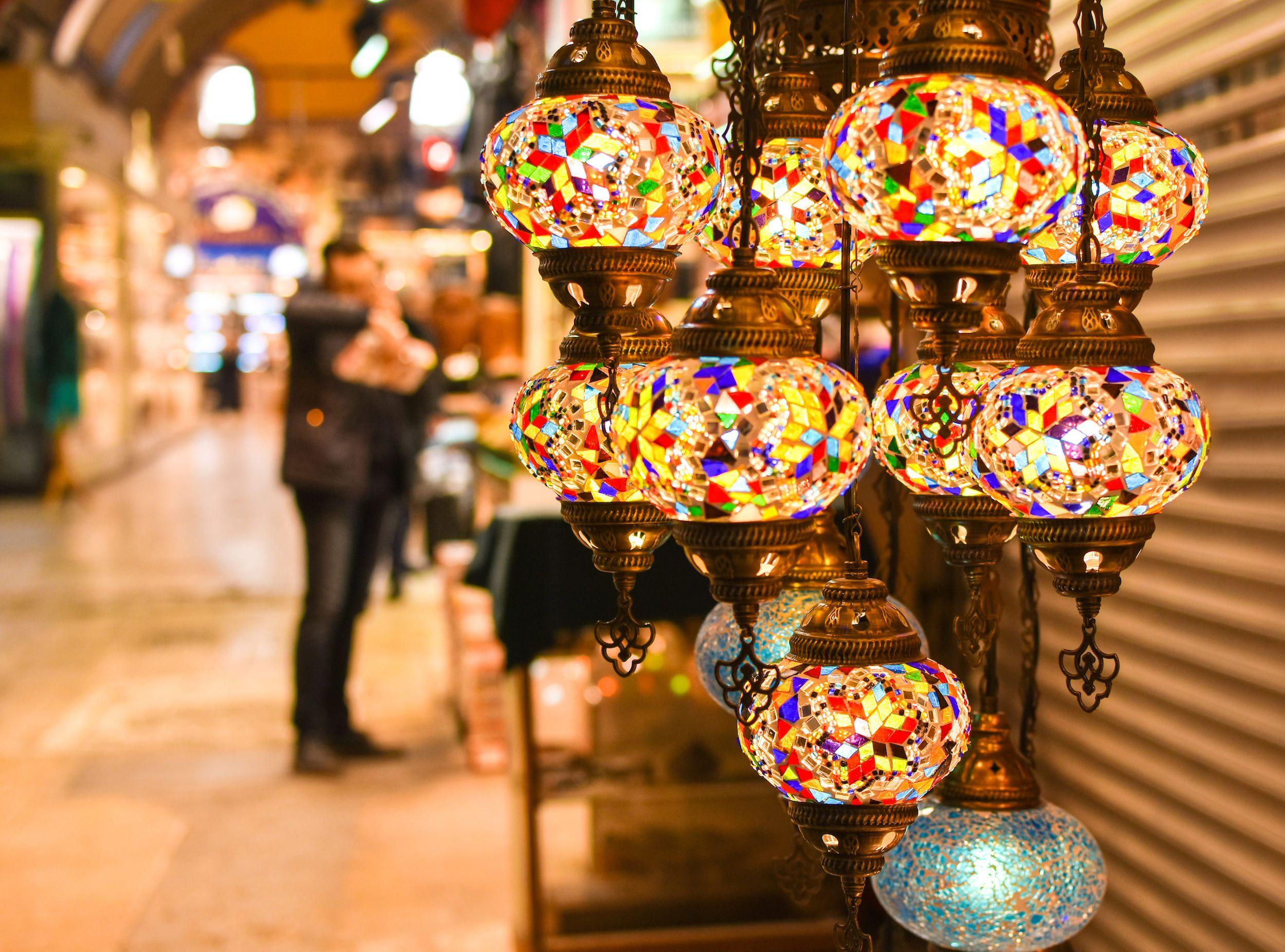
The colours of the Grand Bazaar ©Tekkol/Shutterstock
When you get there, take a look at the beautiful Rüstem Paşa Camii, located in the centre of the bustling commercial area of Tahtakale, this small mosque is a real gem. Built in 1560 by Sinan for Rüstem Paşa, son-in-law and grand vizier of Suleiman the Magnificent, it is an excellent example of the perfection achieved in Ottoman-era architecture and ceramic decoration. As sunset approaches, walk along Galata Bridge to Beyoğlu, a neighbourhood full of restaurants and clubs.
Enjoy an after-dinner drink while admiring the view at one of Beyoğlu's rooftop bars and then relax at one of Tophane's hookah cafés.
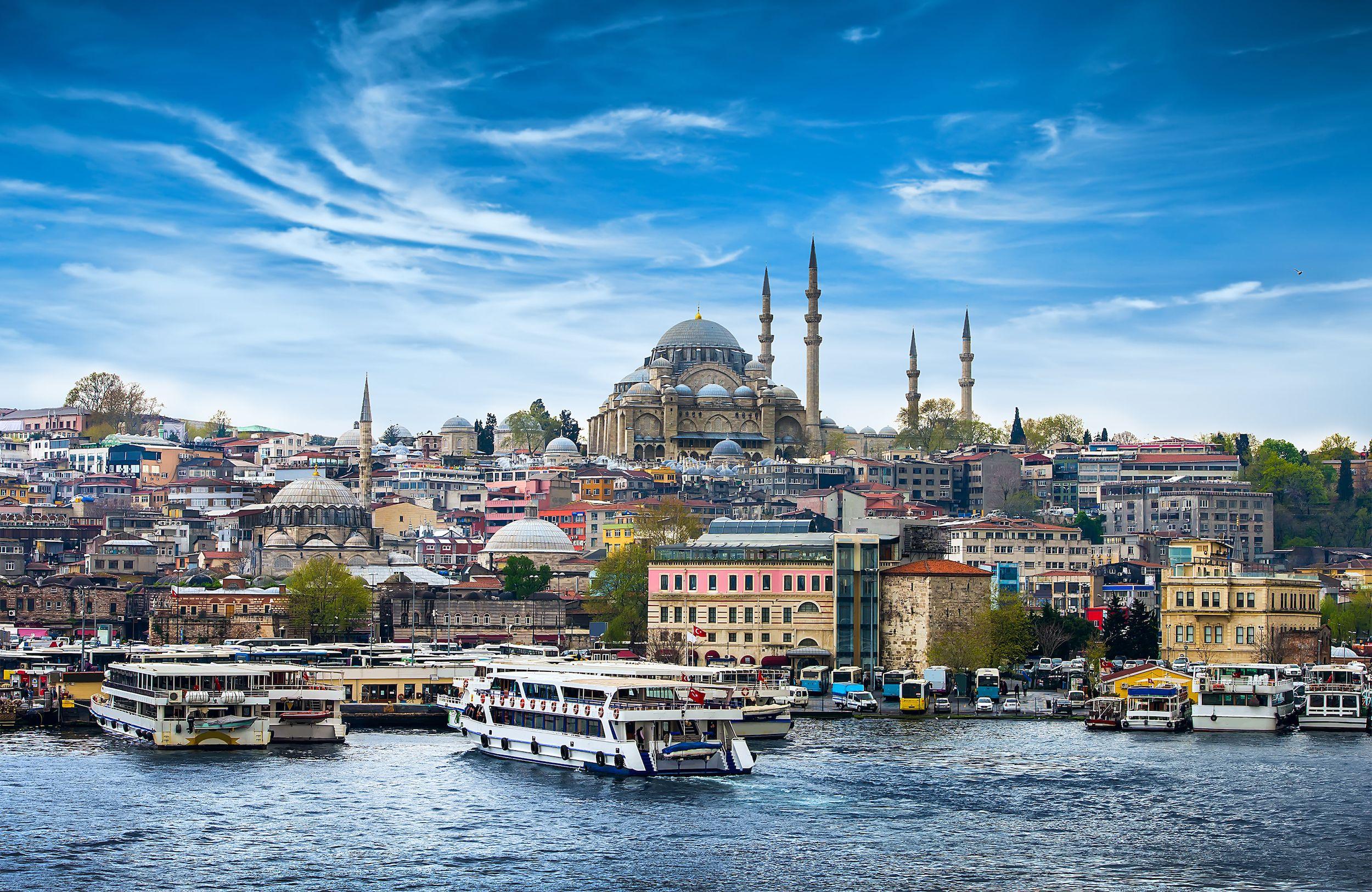
Istanbul's skyline ©Seqoya/Shutterstock
Day four
Purchase a one-way ticket for the Bosphorus Long Tour (Uzun Boğaz Turu) and then return to the city by bus, stopping along the way to visit museums and monuments. Alternatively, opt for the hop-on-hop-off tour, which departs from Kabataş and allows you to visit the Sakıp Sabancı Museum in Emirgan, the Küçüksu Kasrı and the Beylerbeyi Palace.
If you opt for the 90-minute Bosphorus cruise instead of a day trip, you can spend the afternoon exploring Beyoğlu's vibrant contemporary art scene. Don't miss the İstanbul Modern and the cultural centres ARTER and SALT. In recent years, the contemporary art scene in İstanbul has been booming. Thanks to the patronage of the country's leading industrial dynasties (many of which possess extraordinary collections), museums and galleries are steadily increasing. The first was the Istanbul Modern, financed by the Eczacıbaşı family. ARTER, with its beautiful spiral marble staircase, excellent location on İstiklal Caddesi and international exhibition programme is a contemporary art space spread over four floors is one of the city's most prestigious exhibition venues.
At dinner, relax at a casual yet refined venue in Cihangir, then end the day listening to live jazz at the popular Nardis Jazz Club or the more recently opened Nublu Istanbul.

